




Getting to Know Whole Grains
go.ncsu.edu/readext?1118444
en Español / em Português
El inglés es el idioma de control de esta página. En la medida en que haya algún conflicto entre la traducción al inglés y la traducción, el inglés prevalece.
Al hacer clic en el enlace de traducción se activa un servicio de traducción gratuito para convertir la página al español. Al igual que con cualquier traducción por Internet, la conversión no es sensible al contexto y puede que no traduzca el texto en su significado original. NC State Extension no garantiza la exactitud del texto traducido. Por favor, tenga en cuenta que algunas aplicaciones y/o servicios pueden no funcionar como se espera cuando se traducen.
Português
Inglês é o idioma de controle desta página. Na medida que haja algum conflito entre o texto original em Inglês e a tradução, o Inglês prevalece.
Ao clicar no link de tradução, um serviço gratuito de tradução será ativado para converter a página para o Português. Como em qualquer tradução pela internet, a conversão não é sensivel ao contexto e pode não ocorrer a tradução para o significado orginal. O serviço de Extensão da Carolina do Norte (NC State Extension) não garante a exatidão do texto traduzido. Por favor, observe que algumas funções ou serviços podem não funcionar como esperado após a tradução.
English
English is the controlling language of this page. To the extent there is any conflict between the English text and the translation, English controls.
Clicking on the translation link activates a free translation service to convert the page to Spanish. As with any Internet translation, the conversion is not context-sensitive and may not translate the text to its original meaning. NC State Extension does not guarantee the accuracy of the translated text. Please note that some applications and/or services may not function as expected when translated.
Collapse ▲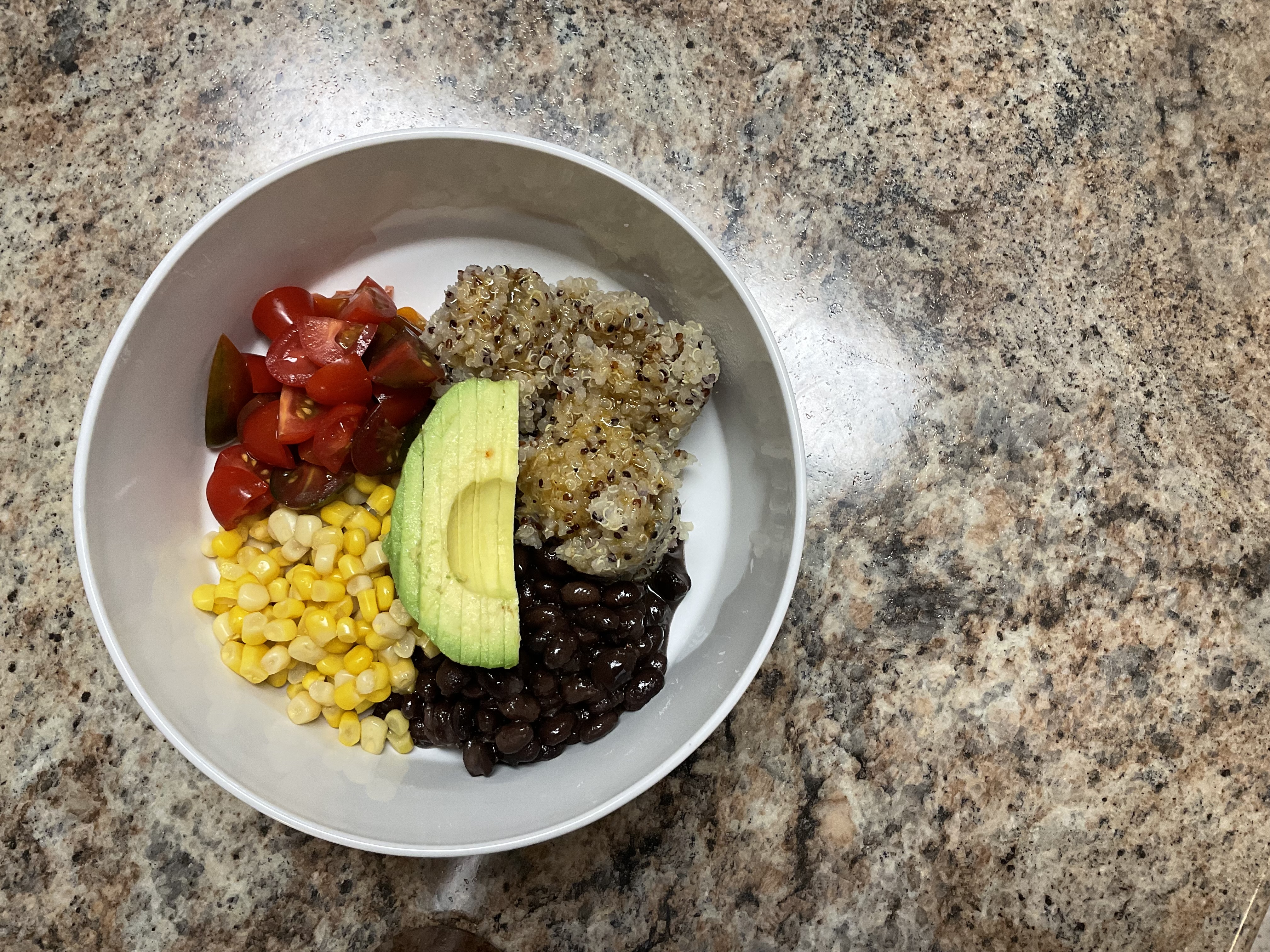
Photo by: Adam Coulter
As you are supplying your kitchen pantry do not overlook the benefits of whole grains. A nutritional powerhouse, whole grains are an excellent source of dietary fiber, B vitamins, minerals and antioxidants and a number of other health benefits. They are easy to store, economical, simple to prepare, long lasting and make a great investment of your food dollars.
Examples of whole grains include:
- Rice
- Oats
- Corn
- Quinoa (pronounced KEEN-wah)
- Millets (Sorghum, Teff, Fonio)
- Buckwheat
- Barley
- Rye
- Wheat (Spelt, Emmer, Kamut, Einkorn)
What are Whole Grains?
A whole grain is a seed from a plant that is still completely intact. Containing three parts: Bran, Germ, and Endosperm–these foods remain unprocessed and retain all of their natural components.
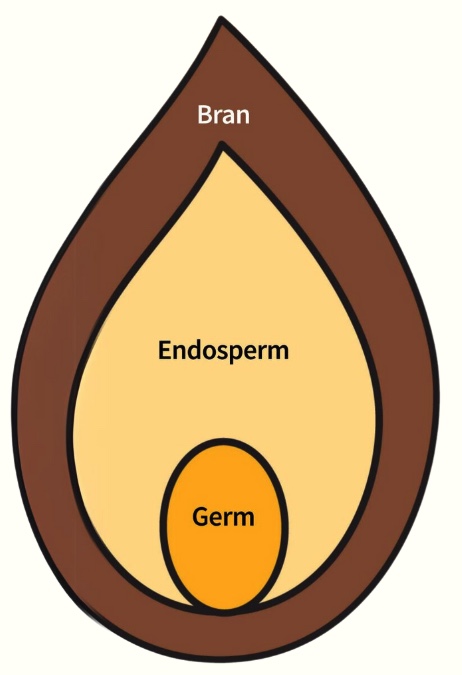
Diagram courtesy of North Carolina Cooperative Extension – Duplin County Center.
All of the foods listed above contain edible seeds with these three components:
Bran: The outer skin. Packed with fiber, B vitamins, and antioxidants.
Germ: The part of the seed that sprouts into a new plant. This part contains healthy fats and vitamin E.
Endosperm: The largest part of the kernel. Mostly starch and carbohydrates.
When grains are refined the bran and germ are removed, leaving only the starch and carbohydrates. While this makes the grain softer and provides a longer shelf life, the vast majority of nutrients are removed.
Whole grains are a filling, economical source of healthy starch, fiber, and fat and are low in calories. Eating grains as close to their natural form as possible is the healthiest way to add these back into your daily diet. Many foods, such as pasta, crackers, and bread contain whole grains and provide easy ways to get the recommended amount.
“Bowl Meals” are another excellent way to incorporate whole grains into your everyday diet. Use them as a base, add ingredients and enjoy a compact meal for breakfast, lunch, or dinner.
Investing in a 25 pound bag of brown rice or other grain is a great way to spend your food dollars. Uncooked rice can be stored in a Zip-Lock style bag in the freezer for 12-18 months or stored in an air-tight container at room temps for 3-6 months. They can be used in a variety of dishes with a multitude of added flavors from fruits and vegetables, plant or animal based protein, and sauces. Whole grains make a great pre-packed lunch or breakfast bowl for the week!
Whole grains are very easy to cook. They generally require 1 cup of grain to 2 – 3 cups of water. Follow the package’s instructions for the specific product you purchase. They can be stored in the refrigerator for up to five days after cooking.
Whole grains are grown on every continent and are a main staple of many international cuisines. The chart below shows the originating geographical area for common grains.

Whole Grains of the World.
Photo courtesy of “Fun with Food and Fitness” EFNEP nutrition curriculum. University of Missouri Cooperative Extension.
We can all benefit from incorporating whole grains into our diet. With health benefits including better digestion and nutrient absorption from increased fiber intake, a positive impact on heart health by reducing bad cholesterol, triglycerides, and insulin levels, whole grains are a great option for a healthy breakfast, lunch, dinner or snack.
Southwest Quinoa Bowl Recipe
INGREDIENTS
1 cup uncooked quinoa
2 cups diced tomatoes
1 can (12 oz) or equivalent fresh/thawed/canned corn
1 can low-sodium black beans, drained and rinsed
¼ cup honey or real maple syrup
1 lime, juiced (= 3 Tbsp.)
1-2 tsp chili powder
¼ cup olive oil
*optional: diced avocado
Cook quinoa according to package directions. Cut cherry tomatoes to desired size. Rinse and drain canned corn and beans.
Whisk together honey, lime juice, chili powder and olive oil. Drizzle over cooked quinoa.
Combine ingredients into one bowl. Enjoy!
We prepared this recipe at the Buncombe County Cooperative Extension office on February 16th, 2026 after purchasing all of the ingredients from our local grocery store. This recipe made 5 bowls, equaling $1.85 per bowl. (We omitted the sauce ingredients from our total. We considered these as kitchen staples that can be used multiple times in a variety of dishes).
| Ingredient | Price |
| 1 Cup Quinoa | $2.67 (4 cup container of uncooked quinoa = $10.68 |
| 1 Can Black Beans | $1.38 |
| 1 Can Sweet Corn | $1.38 |
| 1 Lime | $0.50 |
| 1 Avocado | $1.50 |
| 1/2 lb Cherry Tomatoes | $1.84 |
|
Total: Made 5 Bowls |
$9.27 $9.27 / 5 = $1.85 per bowl |

Photo by Adam Coulter