



Backyard Chicken Basics
go.ncsu.edu/readext?1117896
en Español / em Português
El inglés es el idioma de control de esta página. En la medida en que haya algún conflicto entre la traducción al inglés y la traducción, el inglés prevalece.
Al hacer clic en el enlace de traducción se activa un servicio de traducción gratuito para convertir la página al español. Al igual que con cualquier traducción por Internet, la conversión no es sensible al contexto y puede que no traduzca el texto en su significado original. NC State Extension no garantiza la exactitud del texto traducido. Por favor, tenga en cuenta que algunas aplicaciones y/o servicios pueden no funcionar como se espera cuando se traducen.
Português
Inglês é o idioma de controle desta página. Na medida que haja algum conflito entre o texto original em Inglês e a tradução, o Inglês prevalece.
Ao clicar no link de tradução, um serviço gratuito de tradução será ativado para converter a página para o Português. Como em qualquer tradução pela internet, a conversão não é sensivel ao contexto e pode não ocorrer a tradução para o significado orginal. O serviço de Extensão da Carolina do Norte (NC State Extension) não garante a exatidão do texto traduzido. Por favor, observe que algumas funções ou serviços podem não funcionar como esperado após a tradução.
English
English is the controlling language of this page. To the extent there is any conflict between the English text and the translation, English controls.
Clicking on the translation link activates a free translation service to convert the page to Spanish. As with any Internet translation, the conversion is not context-sensitive and may not translate the text to its original meaning. NC State Extension does not guarantee the accuracy of the translated text. Please note that some applications and/or services may not function as expected when translated.
Collapse ▲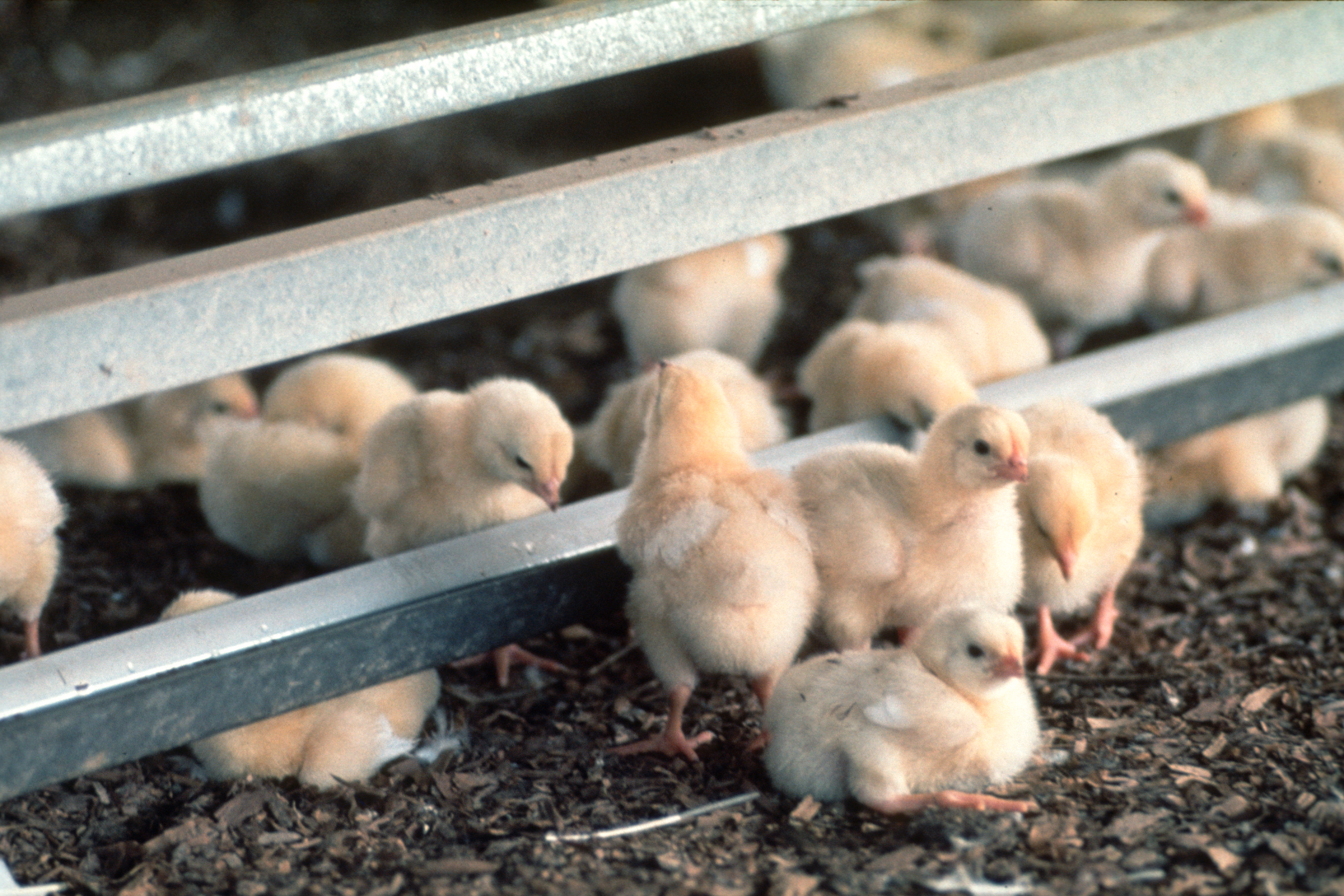
Photo courtesy of Buncombe County Soil & Water Conservation
Raising back yard chickens is a popular endeavor for many people. Whether you are new to livestock care or have experience raising other animals, there are several things to consider before investing time and effort into a flock of chickens. The variety of chicken breeds available for purchase, the reason for growing them, needed equipment, food and shelter, and care of the animals are all essential factors to plan.
Chickens raised for eggs are called layers. Chickens raised for meat are called broilers. Determining which you want to raise will help you decide which breed is best for you.
Common layer breeds include Rhode Island Red, Wyandotte, and Ameraucana.
Rhode Island Red
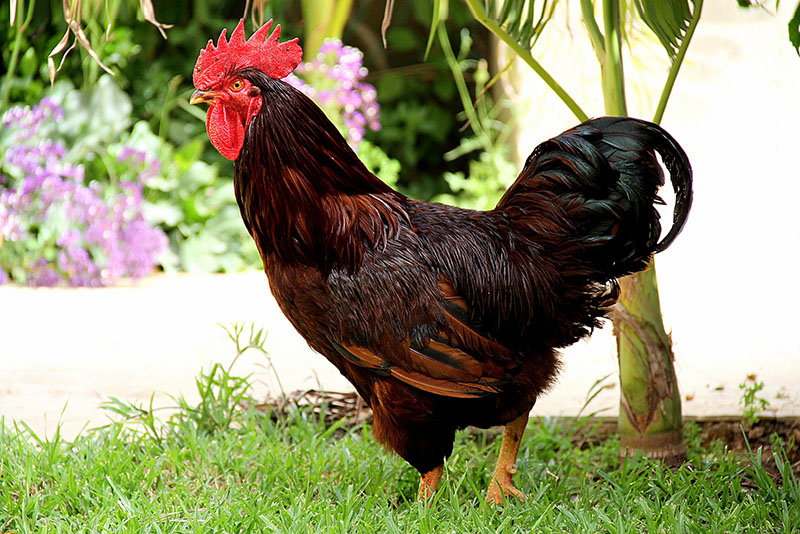
Rhode Island Red hen. Photo courtesy of Oklahoma State University Cooperative Extension.
This dual-purpose breed is most often raised as layers, but can be raised for meat as well. Hens average 6.5 lbs and lay brown eggs. This breed generally has dark red feathers and does well in small flocks.
Wyandotte
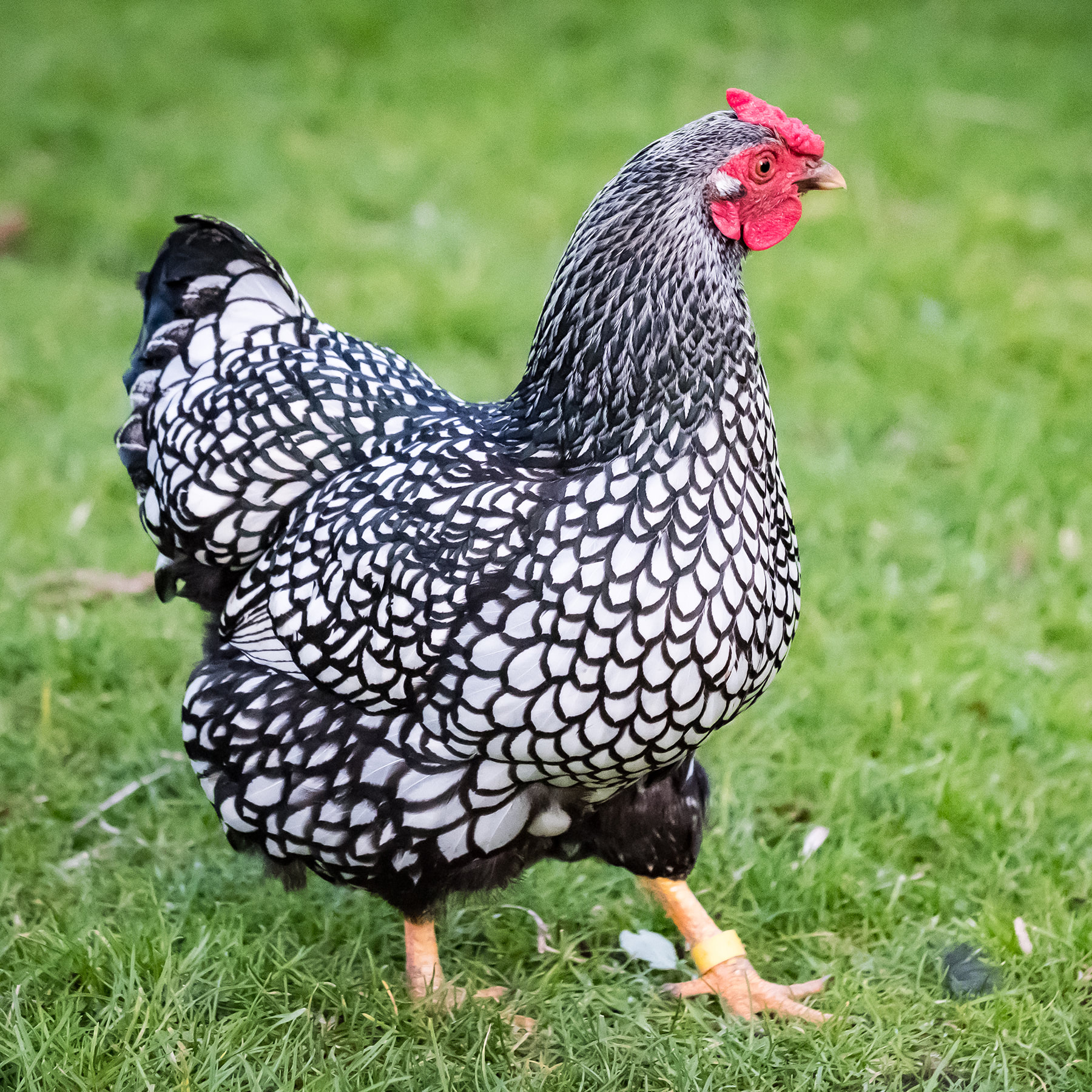
Wyandotte hen. Photo courtesy of North Carolina Cooperative Extension – Carteret County Center.
Wyandotte hens weigh an average of 6.5 lbs and also lay brown eggs. This breed makes a good choice for small flocks, is a dual-purpose breed, and has many color varieties.
Ameraucana

Photo courtesy of Oklahoma State University Cooperative Extension
Characteristics of this breed include long-term egg production, being easy to handle, and tolerating all climates. They, too, are a dual-purpose breed but mostly used for egg production. They lay green eggs.
When growing back yard chickens it is important to know the correct terms to describe your animals.
| Term | Description |
| Chick | Newly hatched chicken |
| Pullet | Female chicken less than 1 year old |
| Hen | Female chicken greater than 1 year old |
| Rooster | A male chicken |
| Broiler | A chicken raised primarily for meat production |
| Layer | A chicken raised primarily for egg production |
Cornish Cross, Delaware, and Red Broilers, also known as Freedom Rangers, are common broiler breeds.
Cornish Cross

Photo courtesy of backyardpoultry.com.
backyardpoultry.com
The most well-known broiler, Cornish Cross, has a rapid growth rate and typically matures in 6-8 weeks. These birds are generally very calm and non-aggressive.
Delaware
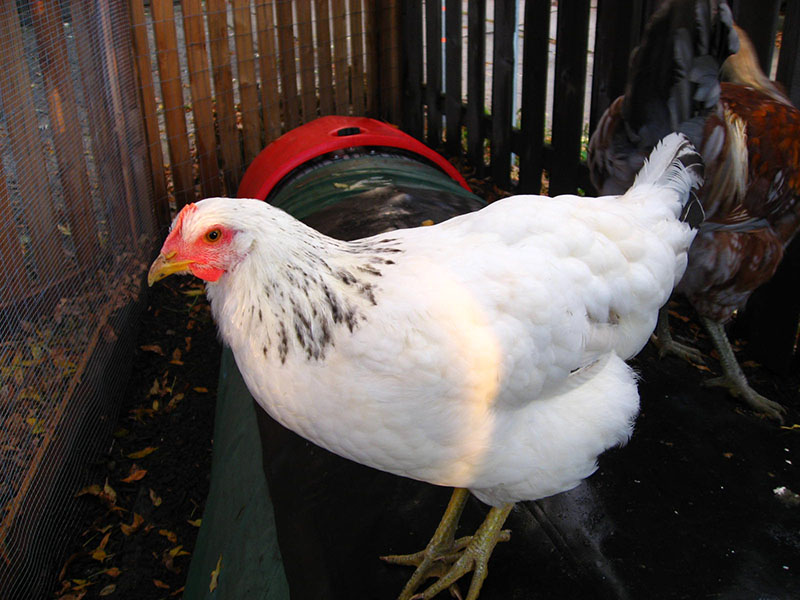
Photo courtesy of Oklahoma State University Cooperative Extension.
A fast-growing breed that is used as either a broiler or layer. This breed reaches harvest weight in 12-16 weeks and has a calm temperament.
Red Broilers / Freedom Rangers
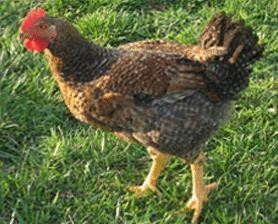
Photo courtesy of Oklahoma State University Cooperative Extension.
This breed takes about 9-11 weeks to mature and is well suited for foraging and pasture space. They love to hunt for insects and worms and are a very active breed.
There are many more chicken breeds with specific characteristics that may fit your specific farming endeavors. If you are not sure which breed may be best suited for your particular space and ability, contact your local N.C. Cooperative Extension office.
Regardless of the breed you choose to purchase, always buy your chicks from a reputable breeder, hatchery, or feed store. Have a “brooder box” prepared before bringing them home. Brooder boxes can be purchased or you can make your own. A brooder box is simply a sturdy, warm container where your young chicks are housed until they become fully feathered and able to maintain their own body heat. They can be purchased or you can create your own. Line the bottom with wood shavings or sawdust and ensure a safe heat source, such as a heat lamp, remains intact. An additional brooding box may be needed as the chicks age, as they may outgrow the space of a single brooder box.
Your chicks’ behavior will let you know if their heat source is sufficient by how they gather in the brooder box.
While your chicks are in this stage of growth, make sure your chicken coop is prepared. This is the more permanent spot where your chickens will be kept. If you purchase grown birds, this step should already be completed.
Whether you build your own coop or purchase one already constructed, a good coop will allow fresh air and provide your birds protection from weather and from predators. Be sure there are no small holes or openings in your coop material that can allow predators to enter. Raccoons, rats, hawks, cats and owls will attack your birds if they find a way into the coop. Your chickens will need 3-5 square feet of indoor space per bird and layers will need one nesting box for every 4 birds. It is also important to have a place for your chickens to perch. A sturdy bar or tree branch they can wrap their feet around will allow them to perch and sleep at night. A variety of materials can be used to line the bottom of your coop. Wood shavings, sawdust, or a compost friendly bedding can be used and kept as compost for the yard or garden are great choices. Small gravel can also be used.
Daily Care
Daily care of your chickens includes feeding, watering, protecting them from predators, harvesting eggs and keeping the coop and nest boxes clean.
Feeding
Chicks in the brooder box will require starter feed. As your chicks age and begin laying eggs, they will transition to a layer feed. These types of feed come in pre-mixed nutritional diets sold in feed stores. Chickens naturally eat grains, fruits, vegetables and insects. Oyster shells or grit can be added to their diet to aid in digestion and egg production.
Eggs
Eggs should be gathered daily to promote further egg production. If you choose to sell eggs, always follow applicable laws and regulations.
Click here: Selling Eggs, Meat, and Poultry in North Carolina for more information from NC State University on the North Carolina Egg Law, meat and poultry regulations, information on packaging, labeling and marketing, and more resources of interest to poultry growers.
As with any agricultural endeavor, always check your local county, town, city, and HOA regulations and zoning ordinances and follow them closely. When done responsibly, growing backyard chickens can be fun, educational, and exciting for the whole family.
If you have any questions or would like more information on growing any type of livestock, contact Abby Whitaker at our N.C. Cooperative Extension – Buncombe County office at 828-255-5522.
References and Further Reading:
https://content.ces.ncsu.edu/keeping-garden-chickens-in-north-carolina