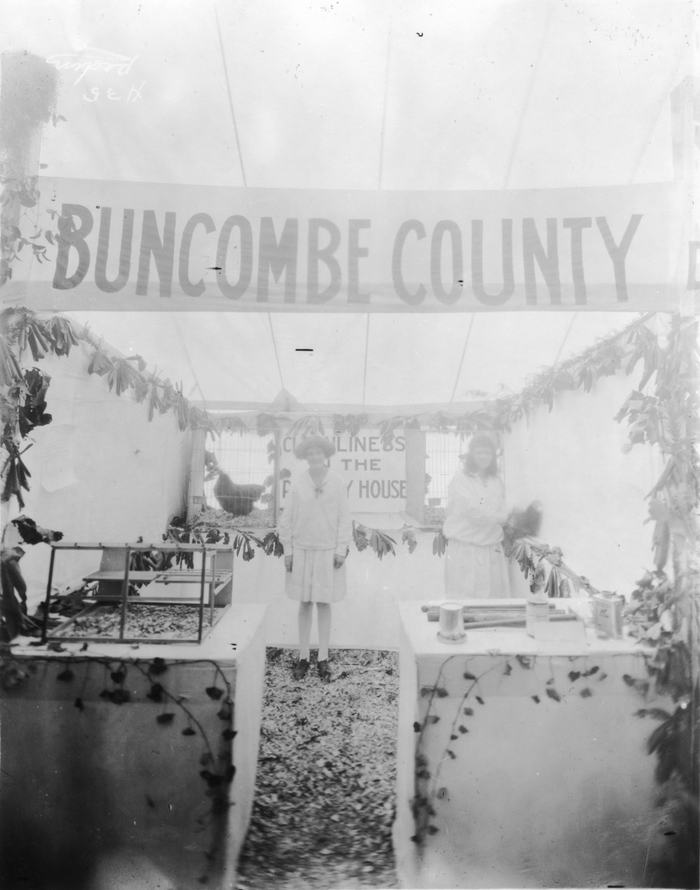
Cleanliness of the Poultry House Display - NC State Fair - 19214H Youth Development (UA023.008)Special Collections Research Center at NC State University Libraries.NC State University Libraries’ Digital Collections: Rare and Unique Materials.
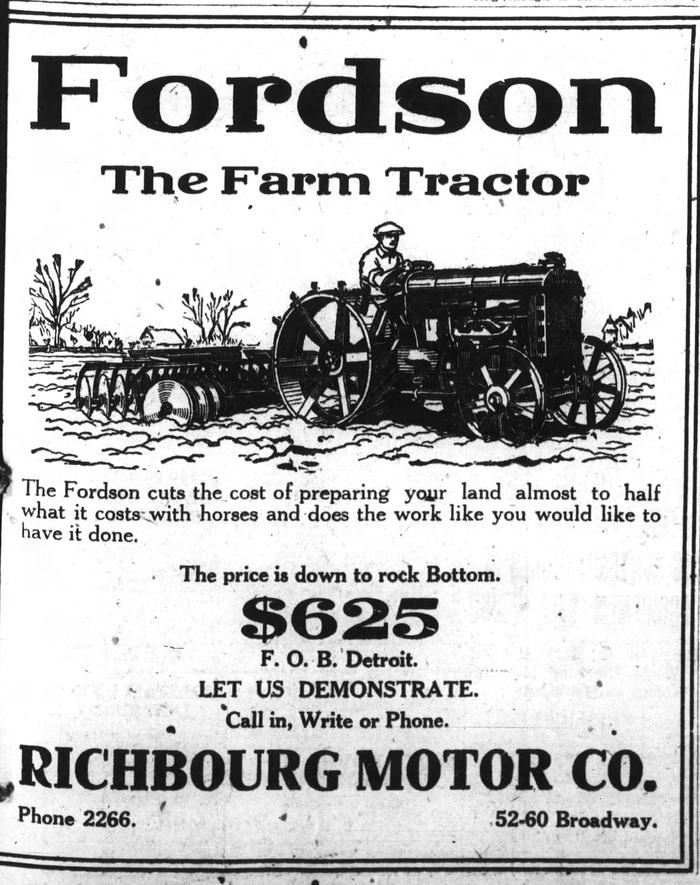
The 1920s were a time of significant economic growth and progress compared to the previous decade. Newer technologies such as automobiles, radio, and motion pictures with sound became a great part of people’s lives. The use of tractors and the increased mechanization in farming allowed for easier work but led to a surplus of materials and a drop in prices. In western North Carolina, farmers fought drought and debt among the usual struggles of life. Dairying became the leading type of farming in the county and the Extension Service assisted in a project that brought some of the first pure-bred livestock to farms in this part of the state.
1920
3,701 farms are listed in Buncombe County.
266,134 acres of farmland in Buncombe County.
August 18 - The 19th Amendment to the US Constitution is ratified, granting women the right to vote.
October - Edith Vanderbilt is elected the first female president of the North Carolina Agricultural Society. Serving as the president of the 1920 North Carolina State Fair, she leads the fair toward a stronger agricultural focus, travels the state to promote the event, and leads in initiating changes to improve the state fairgrounds. She later serves as president of the 1922, 1923, and 1924 fairs.
1921
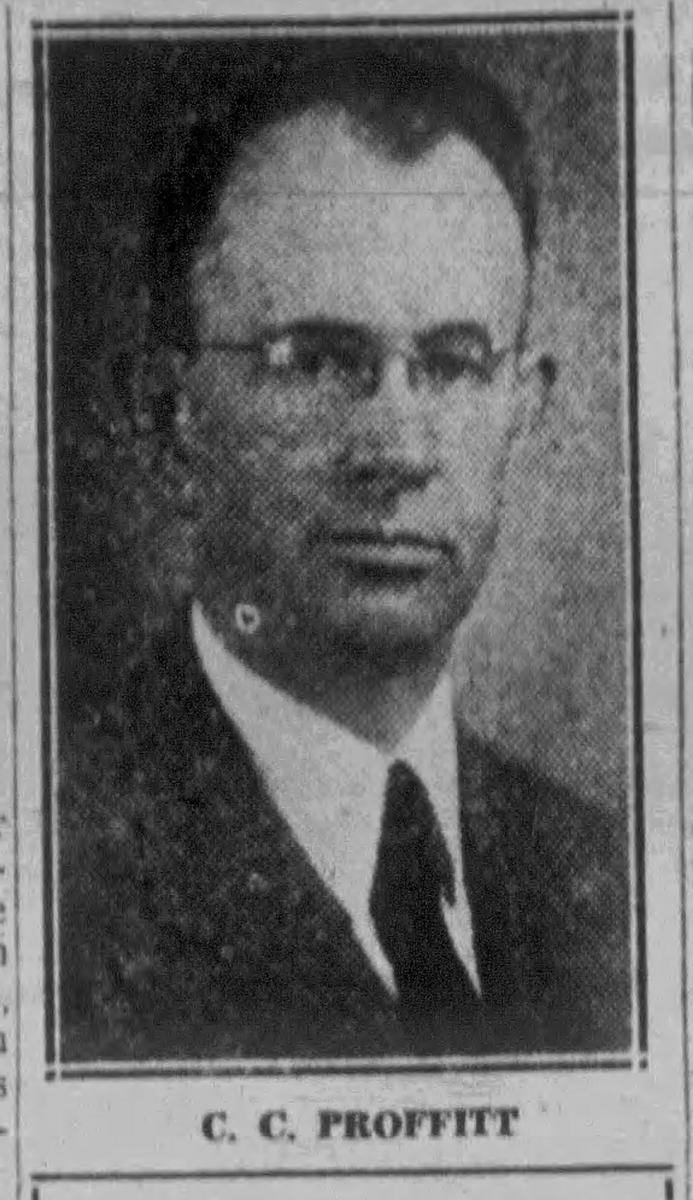
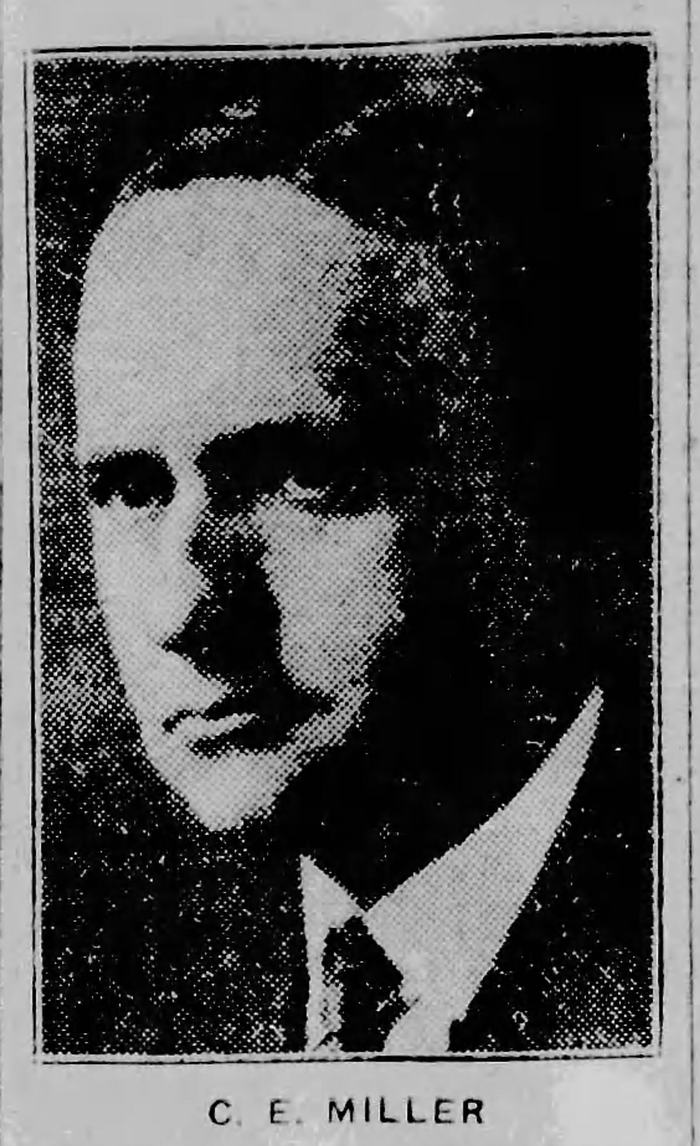
January 15 - Carl Clawson (C.C.) Proffitt becomes Buncombe County Farm Agent after E.D. Weaver resigns. A native of Yancey County, Proffitt graduated from present day NC State University in 1915. Afterwards, he taught agriculture in Catawba County schools and was an agricultural worker with the Farmers and Traders Bank of Rutherford County. He serves as Buncombe County’s Farm Agent until 1922, when he becomes District Farm Demonstration Agent for Western North Carolina.
The Asheville TimesWednesday, December 5, 1945Page 16.
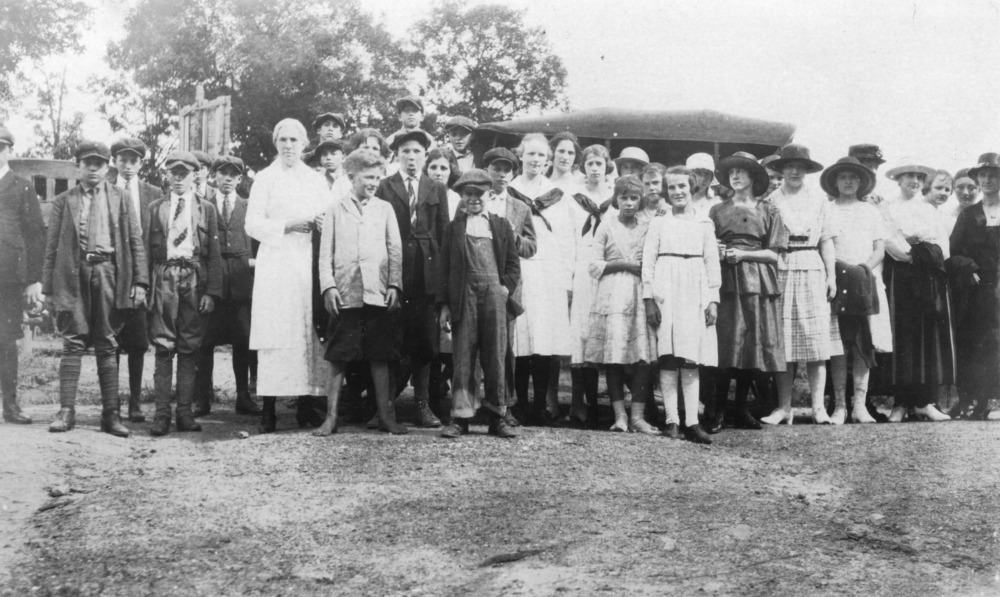
4H Club Members Attending the Buncombe County 4H Camp - 1921.4H Youth Development (UA023.008).Special Collections Research Center at NC State University Libraries.
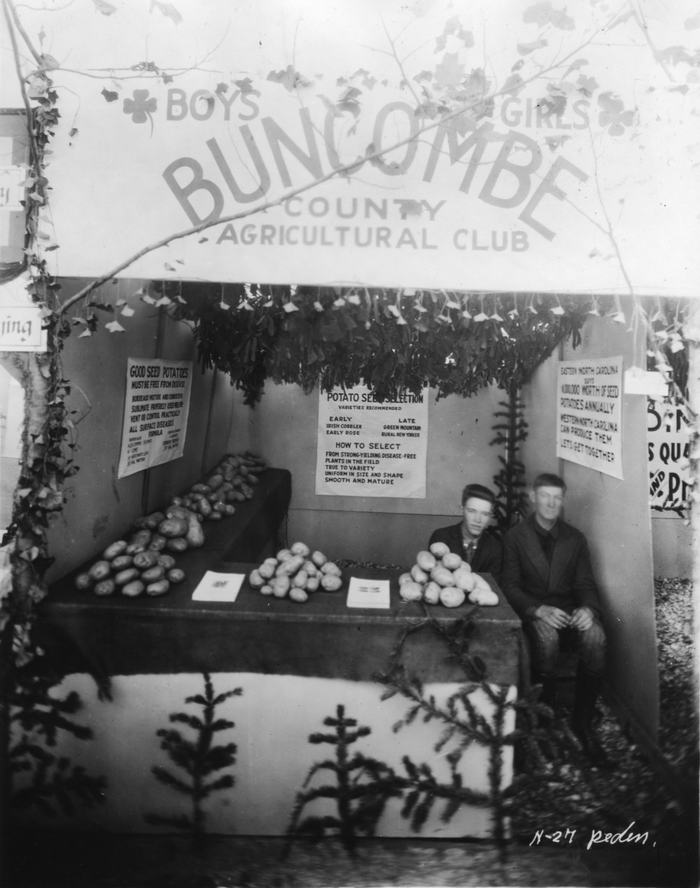
Buncombe County Boys' and Girls' Agricultural Club's Display at the NC State Fair - 1922.4H Youth Development (UA023.008).Special Collections Research Center at NC State University Libraries.
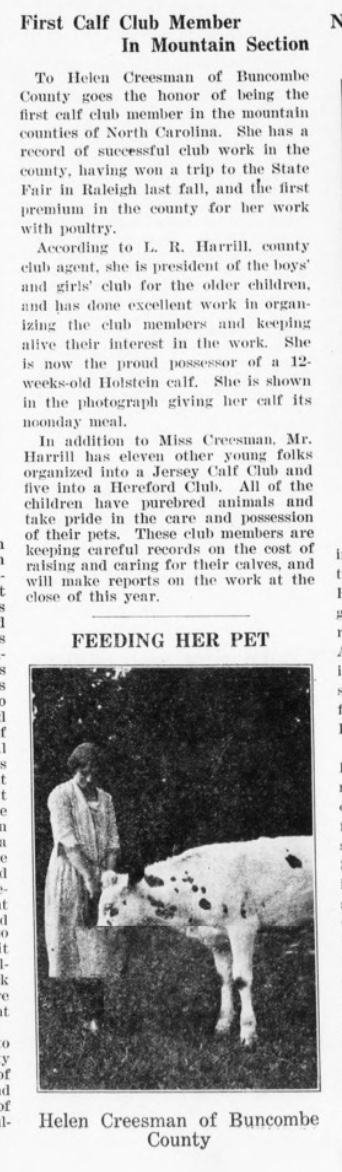
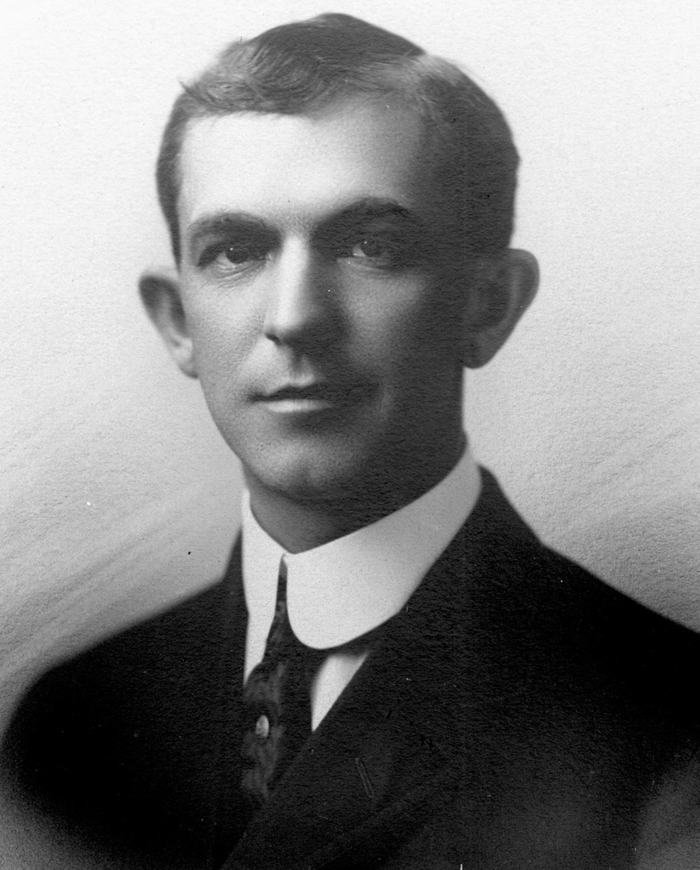
January 1 - Working as assistant farm and demonstration agent for most of 1922, with a salary of $100 per month originally paid for by Edith Vanderbilt, Lera Rhinehart (L.R.) Harrill assumes his new duties as “Club Work Agent” for Buncombe County, becoming the first agent to be hired specifically for 4-H club work in North Carolina.
LR Harrill4H Youth Development (UA023.008).Special Collections Research Center at NC State University Libraries.
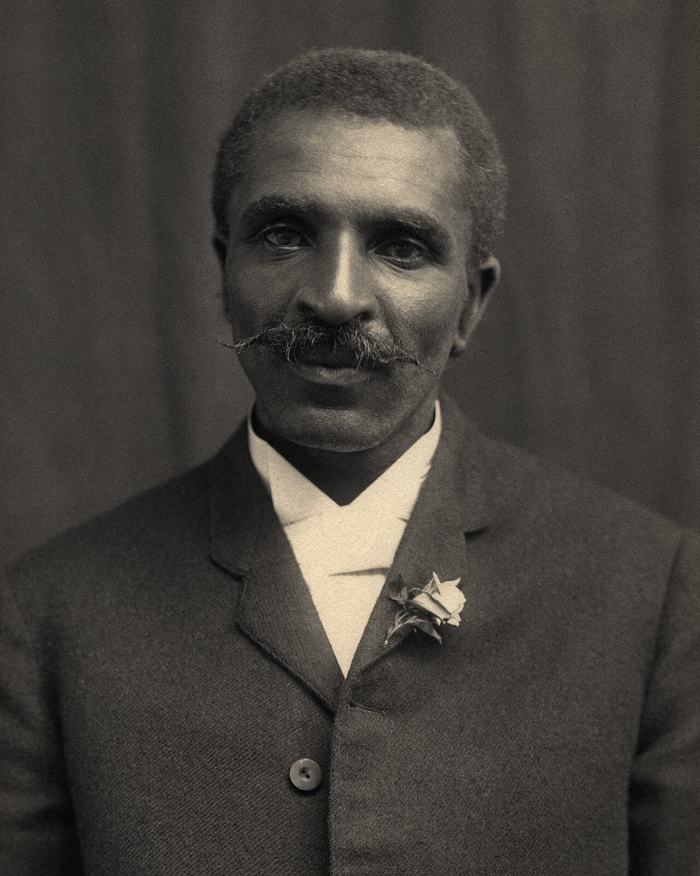
June 21 - Dr. George Washington Carver, a professor of Tuskegee University, gives a speech at the Blue Ridge Assembly in Black Mountain. A highly esteemed agricultural chemist, he presented alternative uses for and products created from the peanut, sweet potato, and pecan. An advocate for these crops, he encouraged farmers to grow them as an alternative to cotton as well as for their own personal use and to improve their own quality of life.
Born in Missouri in 1864, he was the first African American student at the University of Iowa and later became the first African American faculty member there. For his work in agriculture, he was the recipient of the 1922 Springnan Award, an award still given still today for outstanding achievement in a professional field.
George Washington CarverPublic Domain PhotoWikipedia.com
The skyline of the city of Asheville takes on a dramatic new look with the completed construction of the Jackson Building, the new Battery Park Hotel, and the new George Vanderbilt Hotel. Still some of the tallest buildings in Asheville, these buildings were grand in stature, elegant in accommodations, and a testimony to the economic status of Asheville prior to the Great Depression.
The County Agent Annual Report, Buncombe County, 1924, states that there are 201 dairies in Buncombe County with more being established everyday, making dairying the leading farming industry in the county.
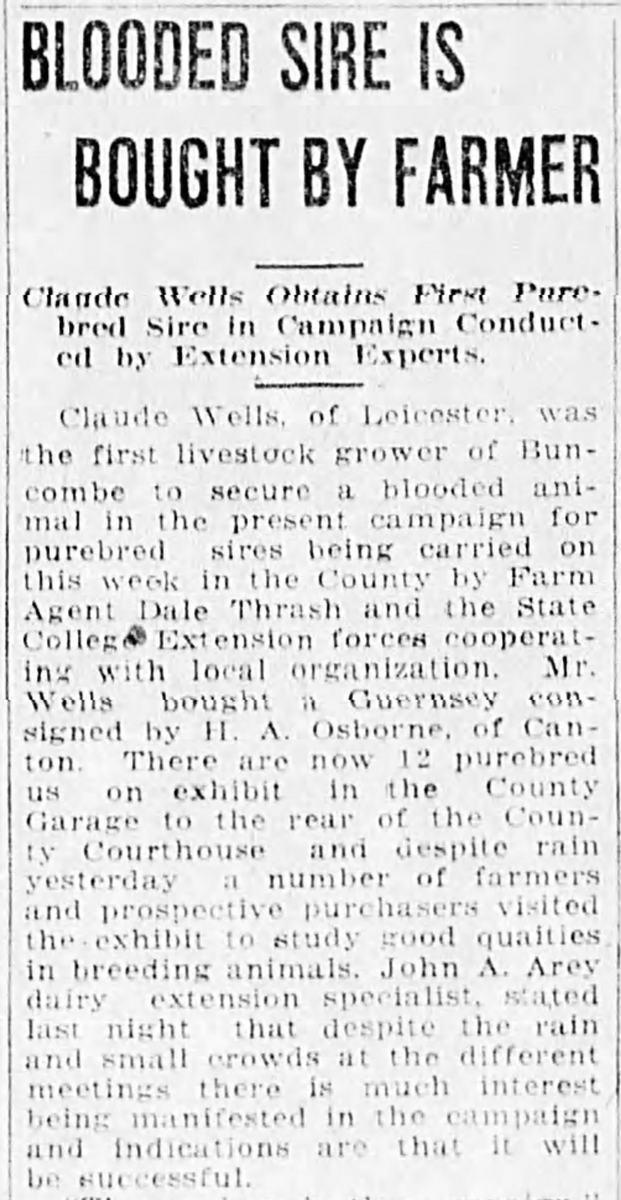
September 1 - The “Better Dairy Sire Campaign” begins in Buncombe County. A joint campaign between the Department of Agriculture, Cooperative Extension, Southern Railway Development Service, and various cattlemen's associations, the purpose of the campaign is to systematically eliminate unprofitable dairy cows from regional farms in order to increase the quality of dairy products produced in Western North Carolina.
The Asheville Citizen Newspaper.Wednesday, September 3, 1924.Page 7.Newspapers.com
A similar campaign in 1912 resulted in the delivery of the first purebred registered beef cattle being brought into WNC in cooperation with the Shorthorn Breeders Association of Chicago.
1926
The Agricultural Extension Service moves from the NC State Department of Agriculture to North Carolina State College’s School of Agriculture and Engineering. Today, North Carolina Cooperative Extension is housed at NC State University’s College of Agriculture and Life Sciences.
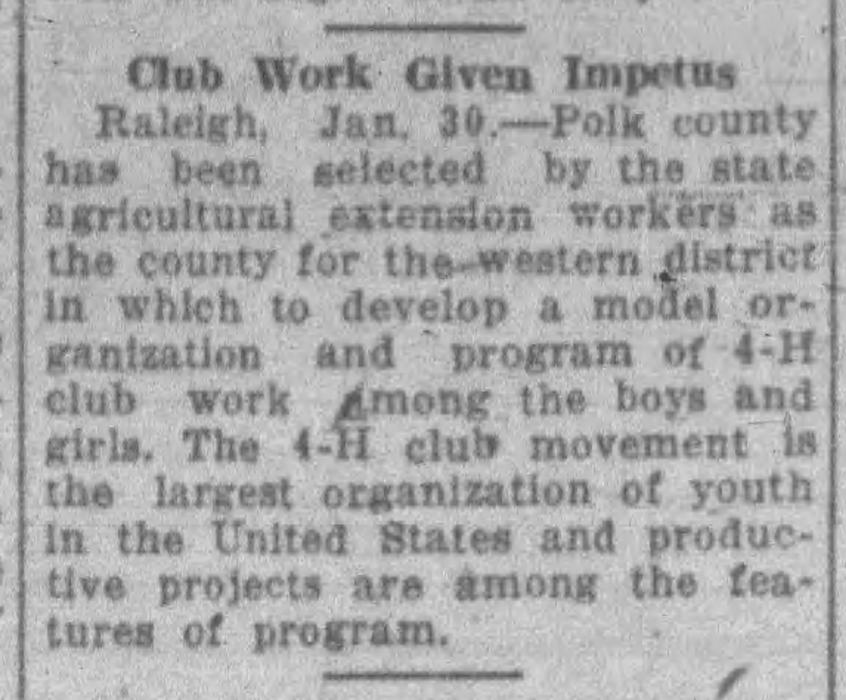
January 1 - “4-H” is officially used to describe Extension’s Boys’ and Girls’ Agricultural Clubs. Polk County, North Carolina, is chosen to be the western county to provide a starting point for the program.
The Asheville Times Newspaper.January 30, 1926.Page 10.Newspapers.com
L.R. Harrill begins duties as 4-H Club Leader at the State level, hired by Ira Obed (I.O.) Schaub, Director of Extension (1924-1950) as well as the Dean of Agriculture(1926-1945).
Ira Obed SchaubUniversity archives Photograph /collection.People (UA023.024).Special Collections Research Center at NC State University Libraries.
Born in Stokes County on September 28, 1880, Schaub graduated from NC State University in 1900 with a degree in chemistry. After several short term jobs in his field of study, he returned to North Carolina in 1909, serving as the nation’s first boys’ agricultural club agent. Schaub began his career at NC State University in 1924 as Director of Extension and was appointed Dean of Agriculture in 1926. A full biography of I.O. Schaub can be found at this link:
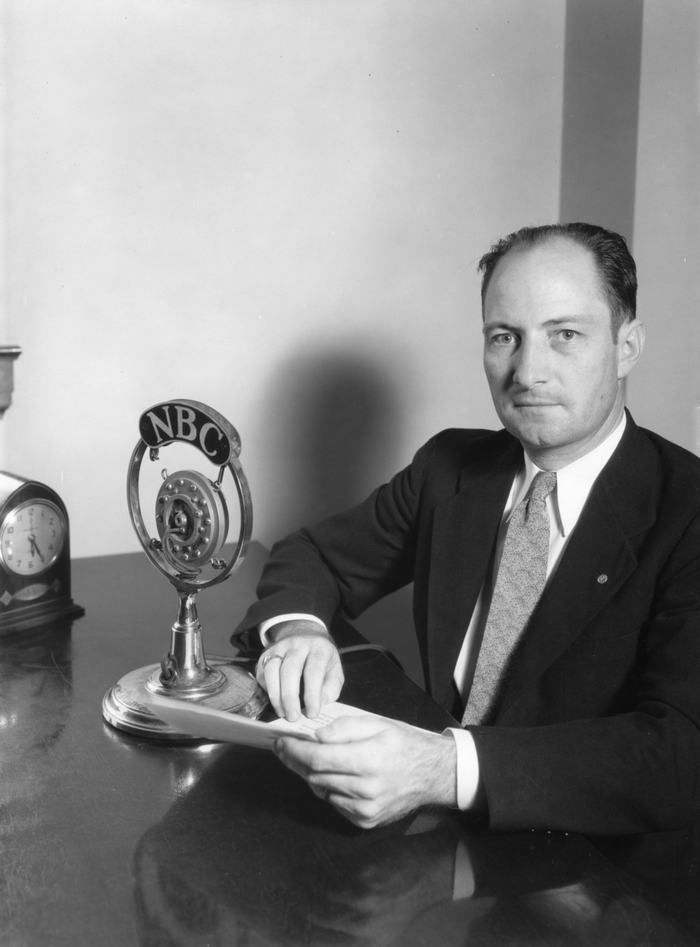
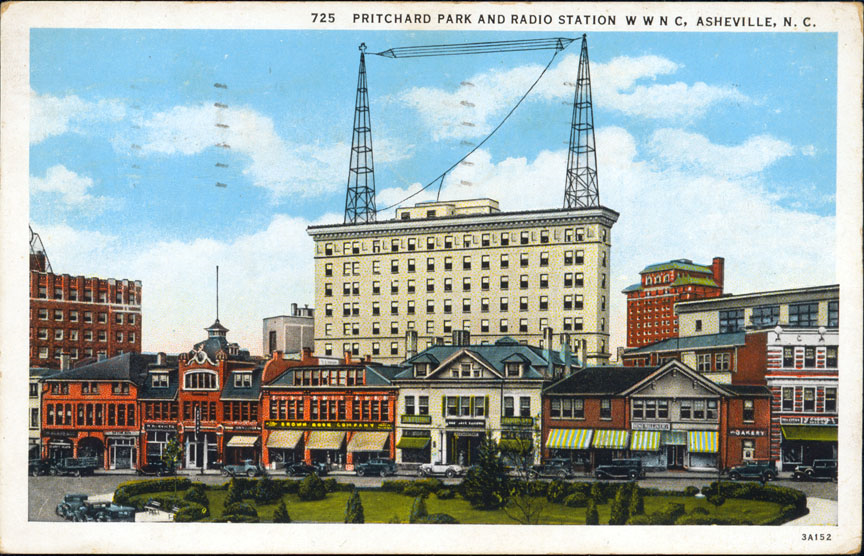
February 21 - With a call sign of WWNC (Wonderful Western North Carolina), Asheville’s longest running commercial radio station goes on the air. Originally housed in downtown Asheville’s Flat Iron Building the new station offered a number of benefits to the farmers of western North Carolina. From weather reports to market reports on prices of goods, as well as educational segments from North Carolina Cooperative Extension and other agencies, radio increased the farmers’ exposure to the world around them, primarily through information, entertainment, and social opportunities never before experienced in the rural areas of western North Carolina.
Prtichard Park and Radio Station WWNC Postcard - 1942.Buncombe County Special Collections.Pack Memorial Library, Asheville, NC.
The North State Farmers organization is established at North Carolina’s A&T University. Part of the New Farmers of America national organization, it provides encouragement and guidance to young African American agricultural students in rural leadership, academic scholarship, cooperation, and citizenship.
October - The Young Tar Heel Farmers is chartered by North Carolina state law.
With the passing of the County Farm Life School Act, an effort to provide agricultural and homemaking education to school aged children, in 1911, teachers began encouraging leadership and friendly competition among students. Their efforts eventually led to the formation of the Young Tar Heel Farmers Association, the forerunner of North Carolina’s Association of the Future Farmers of America.
July 25 - The first annual Buncombe County Farm Tour is held. Conducted by Cecil McElroy, a member of the Agricultural Committee of the Asheville Chamber of Commerce, the tour begins in downtown Asheville and visits 75 miles of farms in Buncombe County. Tour stops include Horace Bridge’s dairy farm in Leicester, H.A. Snelson’s farm, Hubert Penland’s Hereford farm, the farm of Claude Wells, and the Biltmore Dairy, among others.
1928
The Future Farmers of America (FFA) becomes a national organization at the first National FFA Convention held in Kansas City, Missouri.
September 28 - Alexander Fleming, a physician-scientist from Scotland, accidentally discovers Penicillin. After much work among a number of scientists, Penicillin is able to be used by farmers to treat various diseases afflicting their livestock, thus improving their overall health and longevity.
1929
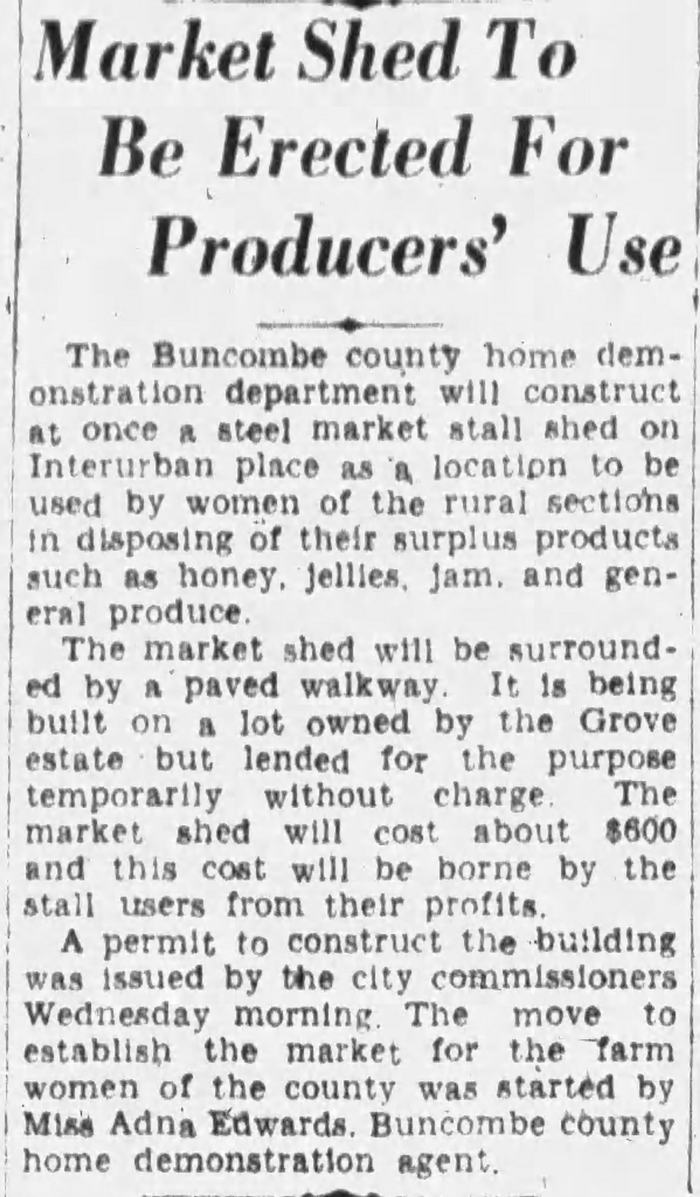
June 8 - Adna Edwards, Buncombe County Home Demonstration Agent, starts a market for farming women of the county to sell their surplus goods.
The Asheville Times Newspaper. Wednesday, June 5, 1929. Page 16. Newspapers.com
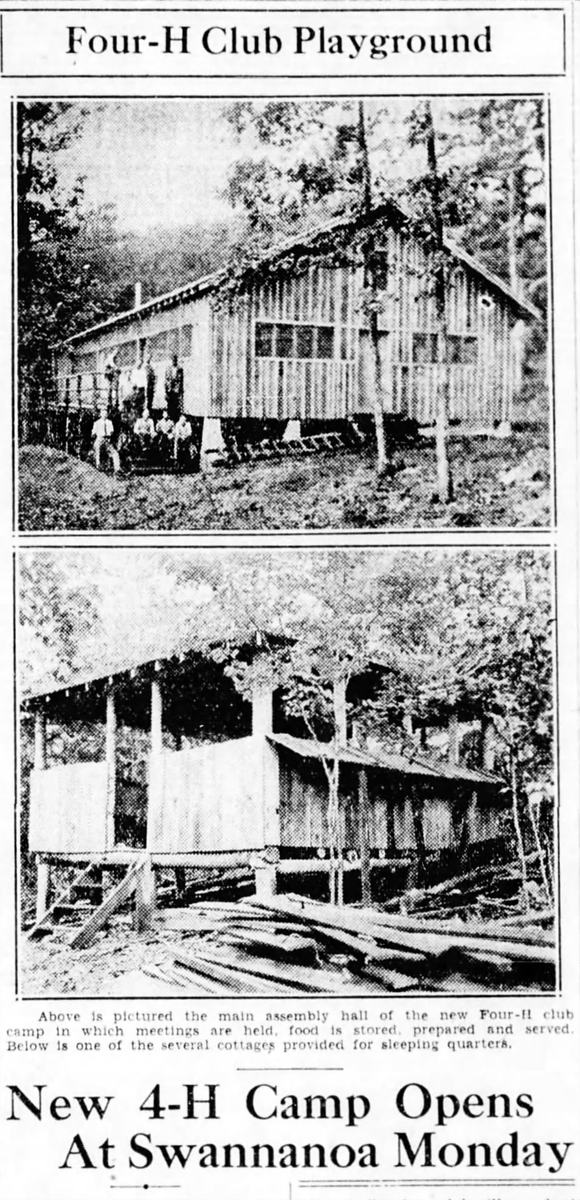
July - Originally proposed by Henderson County agent O.B. Jones in the fall of 1927, the first official 4H camp in the nation opens in Swannanoa. Built on 12 acres of the State Test Farm from funds raised by 4H clubs and other local donors, the camp opens July 15th.
The Asheville Citizen Newspaper.Monday, July 15, 1929.Page 19.Newspapers.com
The first program held at the camp is that of Buncombe County Home Demonstration Agent Adna Edwards. Assisted by Frances Crafton, Home Demonstration Agent of Madison County, girls from demonstration clubs of Buncombe, Madison, Rutherford, and Henderson counties enjoy a week of nature study, crafts, hiking, music, and other recreational activities.
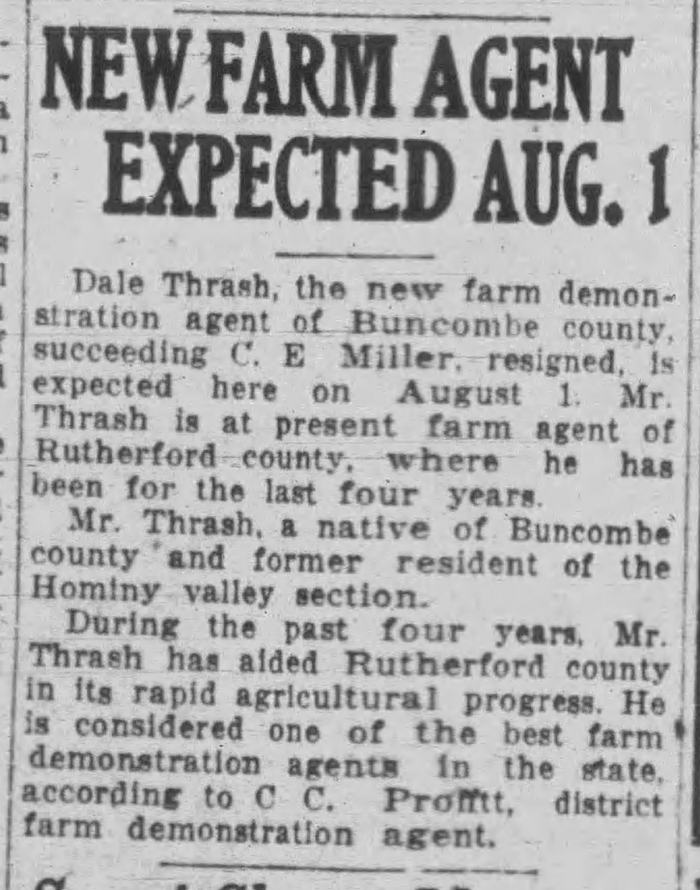
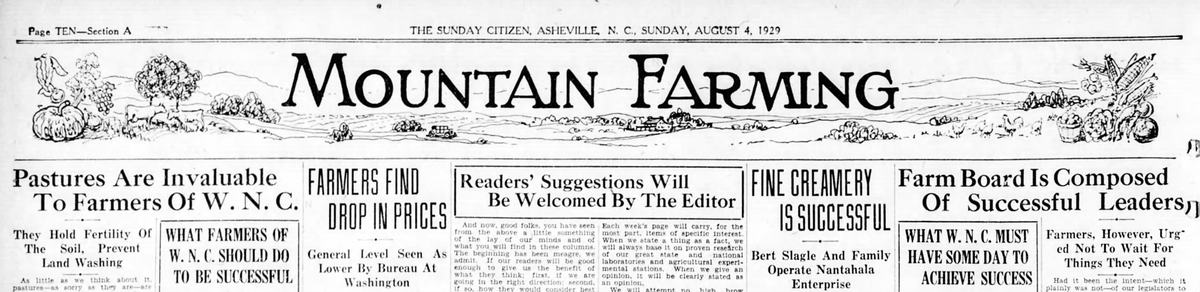
August 4 - With support from Dr. Brooks of State College (NC State University), Dean I.A. Schaub of the Extension Service, Western District Agent John Goodman, and Buncombe County Farm Demonstration Agent Dale Thrash, the Asheville Citizen newspaper begins production of the “Mountain Farming” page to carry stories of general interest to the farmer based on facts and research gathered from agricultural research stations.
The Sunday Citizen (Asheville).Sunday, August 4, 1929.Page 10.Newspapers.com
September 1 - The North Carolina FFA is officially chartered, encompassing the Young Tar Heel Farmers organization. Wade Turner, of Harnett County North Carolina, is elected 2nd national president of the FFA.
October - The most impactful stock market crash in American history takes place, signifying the beginning of the Great Depression. In the subsequent months, banks and companies lose money, leading to a drop in the value of goods and to excessive unemployment.
At the beginning of 1930 the country found itself in the midst of the Great Depression. Though the country was suffering, hope was offered in 1933 with the inauguration of president Franklin Delano Roosevelt whose “we have nothing to fear but fear itself” proclamation provided encouragement for better times. As president, Roosevelt instigated the “New Deal” programs aimed at putting people to work and providing relief, recovery, and reform to those hit hardest by the Depression.
In March we will explore the agriculture and the progress of Cooperative Extension work in Buncombe County during the 1930s.
Sources:
“1920 - 1930 : Improving Lives and Strengthening Communities.” Ordinary Women Extraordinary Service, North Carolina Family and Consumer Sciences Foundation, 2011, p. 22.