September is Food Safety Month. It also is the start of fall and many kids are back in school. It’s a time when they may be fixing afternoon snacks and other foods when an adult is not around. Do you wonder if microwaves are safe for your kids to use? It seems they are a simple way to heat up foods without the risk of using stoves or ovens, but there are some important things to keep in mind when using microwaves that you want to make sure they know before they are left to use them on their own.
Injury from microwave burns can be common if children do not know how to properly handle the hot food that they are making. Here are some safety tips:- Kids under the age of 7 or who are not able to fully read and understand the instructions on packages, should not use a microwave without supervision. For example: if they can not read which side of the popcorn bag needs to be up or figure out the amount of time the food needs to be heated it is best to have other types of non-cooked snacks available.
- Also consider your child’s height and if they can easily reach the microwave without risk of reaching too far or falling from being on a chair or other item to reach the microwave. They could also have the risk of dropping the container if they have to strain to reach the microwave.
- Explain how microwaves heat food by having the radiation bombard the food and make their water molecules get active and move creating the heat. This happens from inside out in the molecules and this is why there can be very hot spots which are a burn risk.
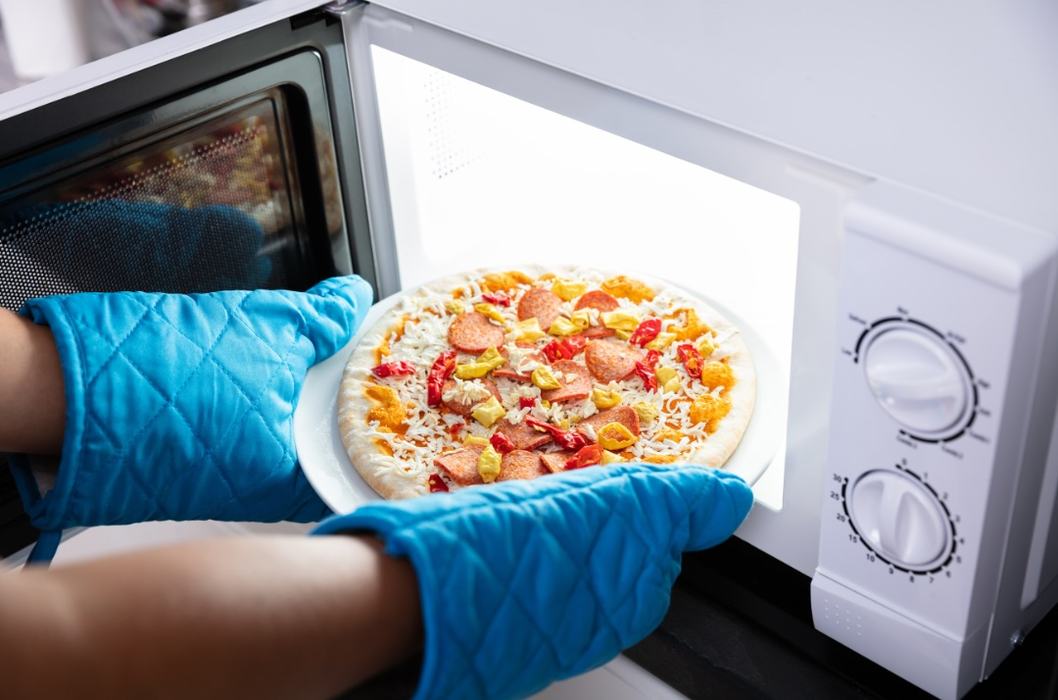
- Make sure the containers they are using are safe to use in the microwave. Many bowls and other containers may not be microwave safe or heat up when they have the hot microwaved food in them which will make them dangerous to handle. For example, some pottery is safe to use but their glazes may get hot. Teach them to use potholders as a precaution.
- Make sure they know how to cover the food so that it does not splatter. Using paper towels or microwave safe cover are easy and helps avoid using plastics wraps that may dip into the food and heat up.
- If heating up leftovers or other foods that do not have specific recommendations, have your children practice setting 30 second intervals where they check the food for how hot it is and let it heat up slowly rather than in a longer period of time. These checks can allow them to stir and more evenly distribute the heat so there is less of a risk for very hot spots which can cause burns when eaten.
- Teach them to use a food thermometer to make sure when heating leftovers all of the food gets to 165°F. They want to do this after letting the food sit for one to two minutes.
- Also, make sure they practice taking off the cover on the food or opening the bag of popcorn in a way that they do not have the steam hit their face or hands.
- Keep foods that your child is able to heat up in specific places in the freezer or on the shelf so that it is easy for them to choose foods they can safely heat or cook.
Enjoy the coming fall and with these safety tips, your child can become a little more independent in getting afternoon snacks or even a quick dinner if needed.