In the Southern Appalachian mountains, there are many native plants that are harvested from the forest for food and medicinal uses. These plants are known as non-timber forest products, growing in the understory of a forest, and providing marketable crops while the larger timber species mature. In some cases, valuable plants have suffered from overharvesting pressures that threaten the very existence of wild plant populations.
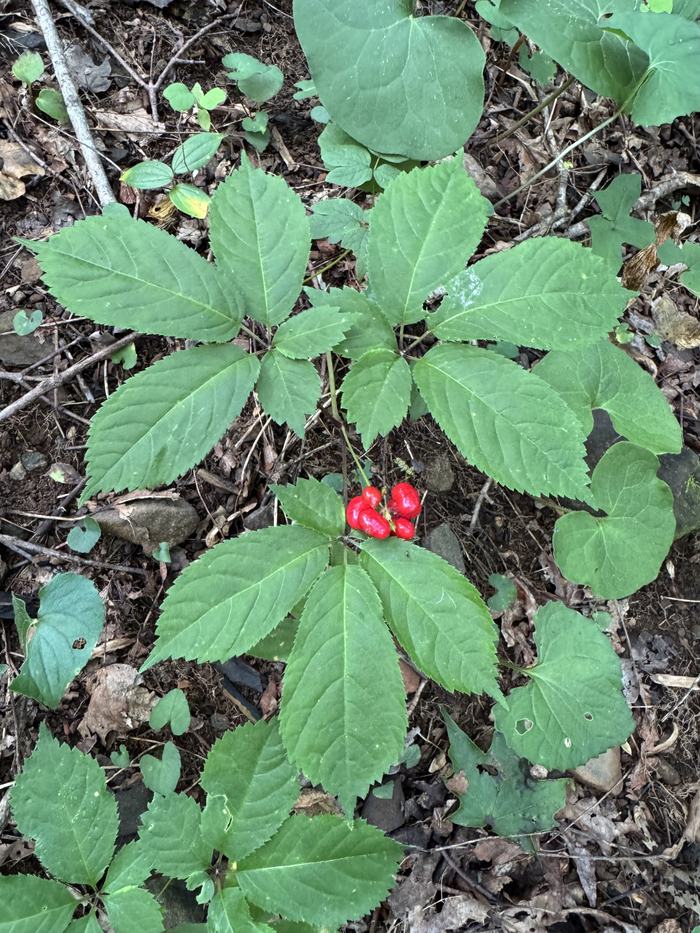
American Ginseng (Panax quinquefolius) and Goldenseal (Hydrastis canadensis) are among our region’s most highly-valuable plant species, and due to generations of being overharvested, are now protected species. Under an international trade regulatory authority known as CITES (the Convention on International Trade in Endangered Species of Wild Fauna and Flora) there are regulations that govern how these plants are grown, harvested, and exported. Beginning in 1975, ginseng populations were protected under CITES due to the severe threat of extinction from excessive harvesting. Goldenseal was added to this list in 1997. These regulations help protect remaining living plant communities, and also apply to plant parts after they’ve been harvested, deterring the illegal trade of these plants in international markets.
In North Carolina, the N.C. Department of Agriculture, N.C. WIldlife Resources Commission, and the U.S. Fish and Wildlife Service all collectively work together to help protect these important plants in our forest ecosystems. In our local Nantahala and Pisgah National Forest areas, harvesting ginseng has been prohibited since 2022, due to the extremely low population numbers. Harvesting ginseng on National Forest lands is punishable by a $5000 fine and up to a 6-month sentence in federal prison. There are additional regulations on the harvest season, what types of plants can be harvested, and where they can be legally harvested.
Many states, including North Carolina, do allow for the cultivation, harvest and trade of these plants under certain conditions. Farmers that cultivate these plants are required to obtain a special permit, in order to distinguish sustainably-grown plants from their threatened wild counterparts. The N.C. Department of Agriculture requires both Certificate of Origin and Protected Plant permits for those who are growing, selling, or even rescuing these protected plants, to ensure plants have been legally procured. NCDA&CS Protected Plant Permits
Sustainable harvesting guidelines have also been established for threatened species, in which only the leaves are harvested and the roots are left undisturbed for continued growth. Learn more about these stewardship practices:
Lastly, as a reminder, there are also regulations that govern where you can harvest plants from forested areas. Permits are required if you are harvesting any plant with the intent to commercially sell that plant. It is prohibited to harvest any plants from wilderness areas and national parks, and as mentioned above, some national forests have regulations for certain types of plant species. To learn more about what you CAN harvest, visit: Forest Products Permits