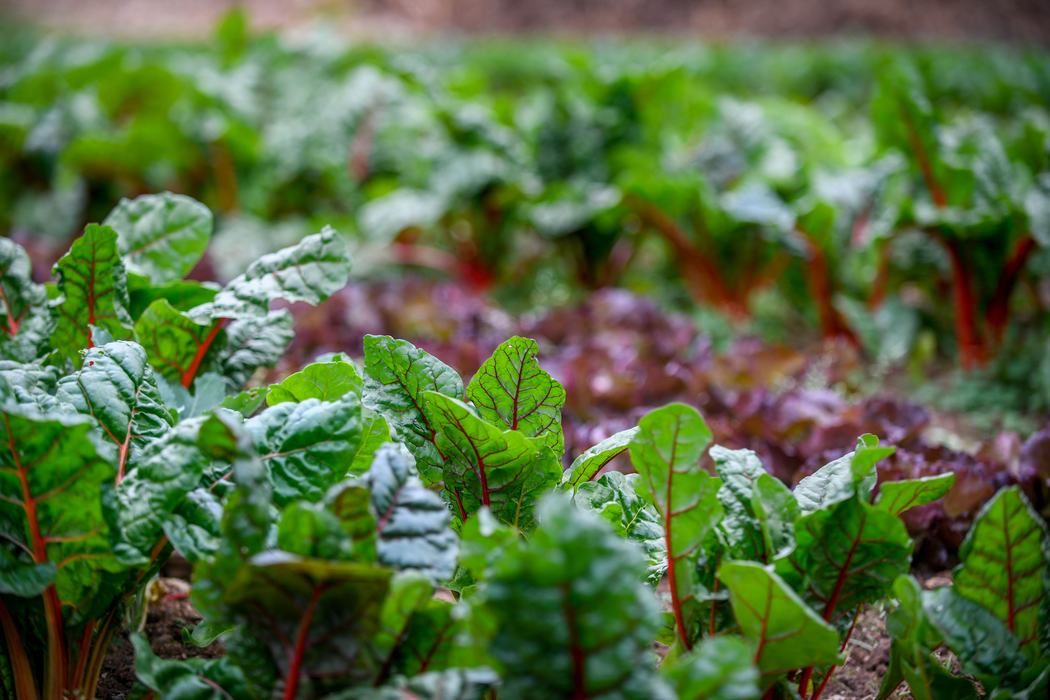
It is accurate to say that farmers are ecosystem managers. Whether producing animals or crops, raising any farm product involves a careful balance of different organisms. In the farm landscape, insects are both encouraged – such as beneficial parasitic wasps and lacewings – and carefully managed, as with Japanese beetles or stinkbugs. The same is true for microorganisms. Disease pathogens like powdery mildew or Phytophthora need to be controlled to minimize plant symptoms. Compost teas and biological inoculants are used proactively to enhance or protect crops.
In the case of biological inoculants, terminology can be confusing. Biological stimulants, microbial sprays, biocontrol drenches, bioactivators, or plant probiotics all describe products containing microscopic biological organisms with specific genetic traits. Collectively, organisms interacting within a given environment describe a microbiome.
Humans and other animals have microbiomes on their skin and in their digestive systems. Plants have microbiomes on leaf surfaces and in roots and the surrounding rhizosphere. Environmental diversity creates resistant and healthier ecosystems. The same is true at the microscopic level. Enhancing biodiversity of microorganisms in the soil leads to greater resilience and productivity.
Healthy plants are nourished by their surrounding ecosystem, including the unseen microbial world.
Plants and microbes can form mutualistic, also referred to as symbiotic relationships, in which both organisms benefit from the interaction. Microbes gain access to a steady food source, feeding on carbohydrate secretions produced by plant roots . Plants benefit nutritionally from this relationship, as microbes help plant roots access nearby water and nutrients that would otherwise be unavailable.
Mycorrhizal fungi are a prime example of this symbiotic relationship. They are especially useful to perennials, helping them tap into nutrients their root systems couldn't otherwise reach. Another example is Rhizobium, a bacteria that physically binds to and enters the roots of legumes such as clovers, peas and soybeans. After creating nodules along those roots, this bacteria works to convert atmospheric-nitrogen into amino acids and ammonia that benefit both the plant and the bacteria. Growers can inoculate certain legumes with specifically-matched rhizobia to enhance and maximize this natural cycle.
Soybeans are a type of legume that benefits from the work of Rhizobium bacteria, one of the many microbial workhorses that sustainably brings nutrients to plant roots.
Many growers use biostimulants as plant protection tools, either by spraying leaf surfaces or drenching root systems. These products change the chemical makeup of the surface plant tissue, creating inhospitable environments for plant pests. Sometimes the microbial organism will outcompete or reduce the voracity of certain plant pathogens. Because microbial stimulants are closely aligned with specific disease or insect species, it is critically important for growers to choose appropriate products.
There are hundreds of commercially available biostimulants on the market, many with proven results. Environmental variables such as temperature, rainfall, UV exposure, and the use of other plant pest control products can consequentially impact the efficacy of these products. Seek products with documented success and follow application guidelines to the last detail. NC Cooperative Extension can provide more information to guide growers in proper usage of these products.