Our gardens, fields and forests offer a bounty of natural objects to observe and understand.
As plants and insects emerge in the spring, there is a renewed opportunity to develop identification skills. Field guides and plant and insect keys can help guide your observations toward a specific name or species. In some cases you might need to watch a plant through multiple seasons before you can fully identify it. Floral parts are extremely helpful in arriving at successful identification. If a plant blooms in the late summer or early fall, you’ll need to keep a consistent watch over weeks and months to eventually observe flower shape and arrangement of reproductive features.
In the home landscape or garden, accurate plant identification is a personal endeavor. But for growers cultivating plants for commercial purposes, plant identification is critically important. Many cultivated or foraged medicinal plants are used in formulations that extract specific plant compounds which have beneficial health impacts. These plants are labeled and consumed as medicinal products, so accurate plant identification is key.
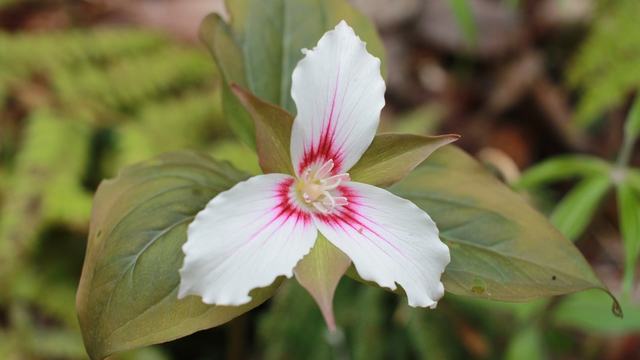
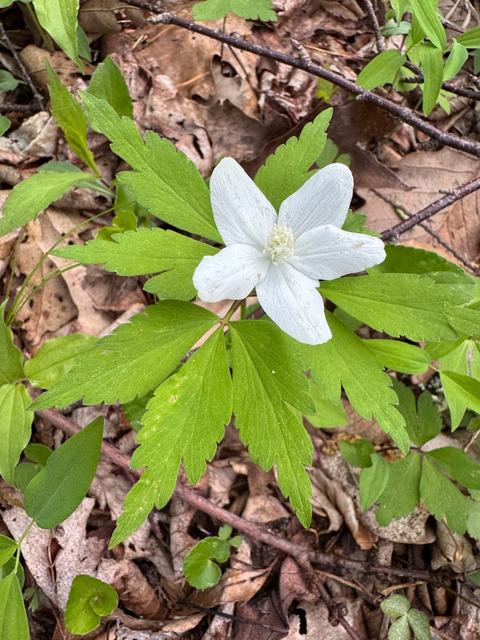
There are several spring wildflowers with white petals. Careful observations will help you differentiate among possible species.
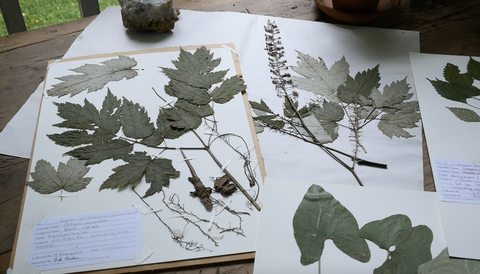
Growers catalogue the species they grow through plant vouchers - pressed plant specimens that serve as a botanical reference. Plant vouchers include all the characteristics needed for identification - roots, stems, leaves, flowers and seeds are all physically represented to ensure a plant is properly identified. Many medicinal herb buyers require plant vouchers as an industry standard practice.
Hobby gardeners can create plant vouchers too. Many use them as artistic works in addition to scientific tools. To make your own pressing, start with a plant press and collect all the appropriate plant parts. NC Cooperative Extension offers an instructional video to take you through the rest of the voucher preparation.
NC Cooperative Extension offers an instructional video on making plant vouchers.
Each spring the WNC Medicinal Herb Growers host a plant identification & taxonomy workshop where participants practice field observational skills essential for a positive plant identification. Located at Bullington Gardens, the 2026 workshop is set for Monday, April 13 and registration is still open. Join us to learn more about the diversity of plants found in our forests and fields. Register here: https://www.bullingtongardens.org/store/p/spring-ephemerals