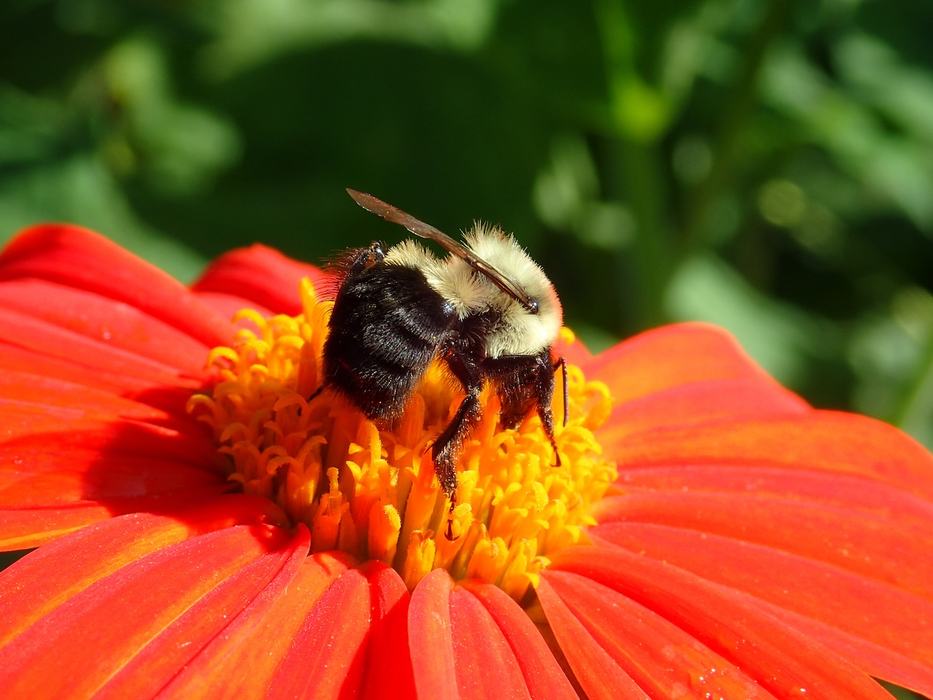
Pollinator conservation is an incredibly accessible practice for landowners to incorporate into their management systems. Whether you have a small urban backyard or a large area of pasture or crop land, there are elements that can be scaled to every landscape. The foundation of these conservation efforts is providing habitat for these remarkable organisms.
Different species of pollinators need a variety of plants, structures, and soils to utilize for rearing their young. Many of our native bee species nest in wood, utilizing hollow plant stems or downed trees or cavities to create protected spaces where eggs are laid and nurtured into future generations of bees. The remaining native bees, about 70% of the species found in North Carolina, nest in soil. Ground nesting bees will either be solitary, or some, like the Andrena Mining Bees will form larger aggregations in soil, which might look to the casual observer as small holes drilled into the soil surface.
Pollinator-friendly habitats also need to provide forage - including both pollen and nectar resources which will provide a diversified diet. Most humans enjoy planting flowers in the landscape, and incorporating a broad mix of floral colors, shapes and sizes will help address the feeding needs of various types of pollinators. Bees tend to prefer open shaped flowers, while butterflies can utilize their longer tongues for tubular-shaped flowers. Beetles and flies tend to congregate on white flowers. The key rule of thumb is to plant as many flowering plants as possible, ensuring that you have a mix of early, mid-season and late-season blooms.
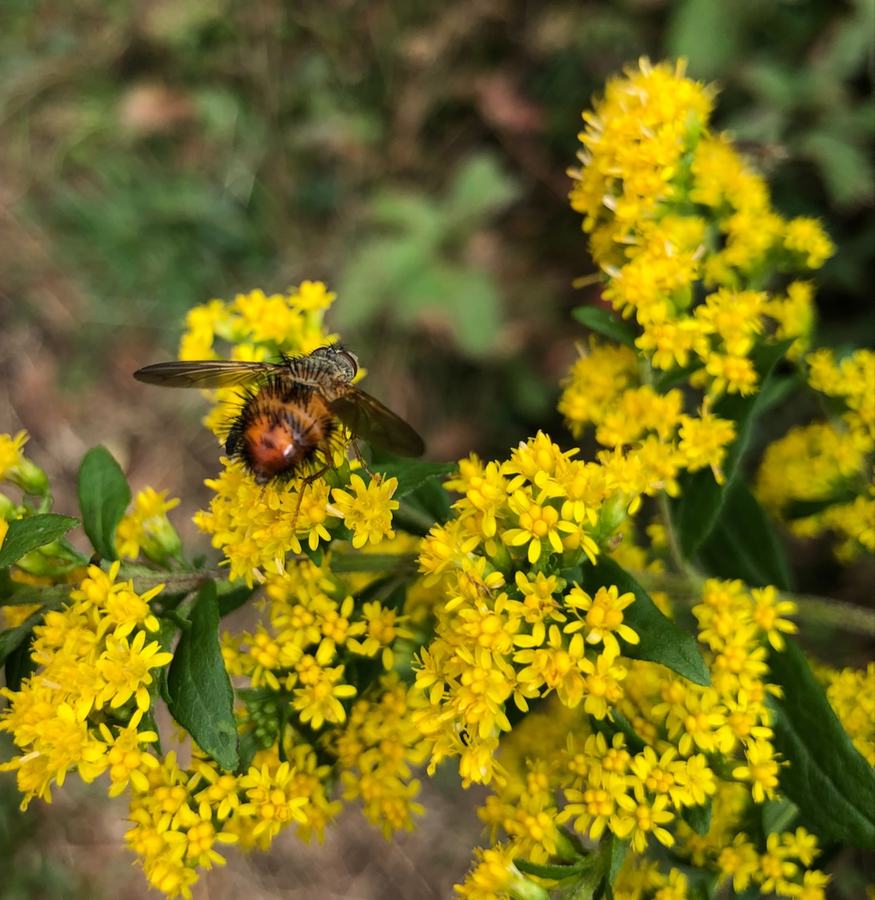
Farmers aiming to conserve pollinators will often plant buffer strips along their field borders to create flowering refuges for pollinators and other beneficial insects. This provides a beautiful array of ecological benefits - enhancing populations of natural biocontrol organisms, plant diversity, and soil coverage that will over time, build up organic matter that holds onto nutrients in the soil more effectively.
Judicious use of pesticides is another foundational practice for landowners seeking to support pollinators. Choosing targeted products, spraying when pollinators aren’t actively foraging, and prioritizing other types of pest control management are all tactics that maintain whole health for a variety of species, including pollinators.
This June, marks the 13th Annual Pollination Celebration Month, as designated by the City of Asheville and the Asheville Chapter of BeeCity USA. We encourage you to learn more about the impressive array of ecological benefits pollinators provide, and the easy steps you can take to help support and observe these fascinating insects. N.C. Cooperative Extension and fellow science-based community partners have many resources for farmers, gardeners, and communities to learn more about pollinators and the critical role they play in our food system and the larger ecological community: