Managing a healthy farm ecosystem, whether it’s a pasture setting, a forest farm, or an intensive cropping system requires an enormous amount of decision-making. Those decisions are not based solely on the needs of the commodities taken to market. In reality, farmers need to understand and manage countless other species that influence critical functions below and above the soil.
Supporting Microorganisms
The term ‘soil microbiome’ describes a myriad of lifeforms belowground that are constantly interacting and altering the environment surrounding plant roots. A soil microbiome can include fungi, bacteria, protozoans, and other incredibly small organisms, collectively referred to as microbes. Microbes offer many benefits, playing essential roles in nutrient cycling and increasing soil aggregation, which aids plant roots in accessing nutrients and water.
The populations of microorganisms in a healthy ecosystem are never static - certain species will dominate, reach peak capacity, and then die off as other species take advantage of changing conditions. Temperature, soil moisture levels, soil nutrient levels, and the variety of plant types can all influence the types of microorganisms present. Farmers actively manage soil microbes through the application of compost, the use of compost teas and other biostimulants on crops, and reducing tillage and other soil disruptions.
Cover Crops
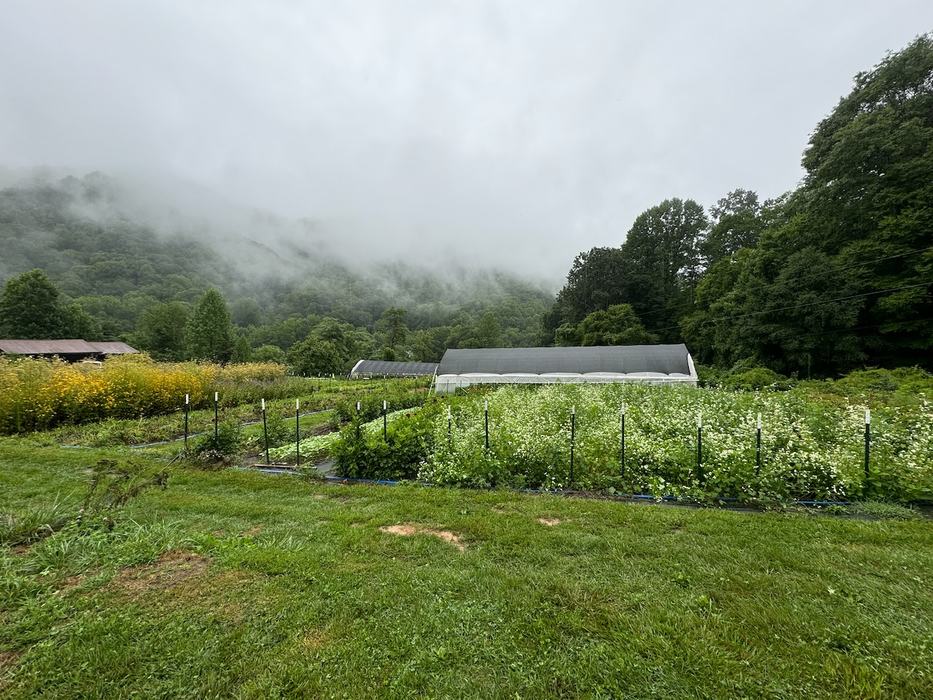
When farmers make the decision to employ cover crops, this can have positive impacts on soil tilth, soil drainage, and the microbial community in the rhizosphere. Living roots ensure that microbes have adequate habitat to flourish, and cover crops that are established in the fall can continue to maintain healthy microbial populations over the winter, quickly building back up the following spring.
Cover crops keep soil temperatures cooler in the summer, and reduce compaction and erosion when heavy summer rainstorms overpower the soil’s ability to allow water infiltration. But choosing the proper cover crop species requires careful attention to the timing between cash crops, the maturation rate of the cover crop, and how that crop will be terminated or incorporated into the soil.
Farmers also make tactical decisions in cover crop selection if they are mitigating disease or pest pressure in their soils. Many cover crops in the Brassica-family, such as mustards or rapeseed,
, and also help keep certain types of harmful fungal and bacterial populations in check.
Farmscaping
A productive farm ecosystem enhances the invaluable interactions among animals, plants, microbes, and the humans that manage this complex environment. Successfully managing a resilient agricultural system requires a deep understanding of biological systems, and constant observation of the ever-changing dynamics that shift throughout the seasons.
Disease pathogens, nematodes, and insects are challenges that farmers must constantly manage. A healthy farm ecosystem utilizes the natural checks and balances that keep pest pressures at manageable levels. Much research has been conducted to assess what types of biological controls (also called biocontrols) are enhanced through farming practices.
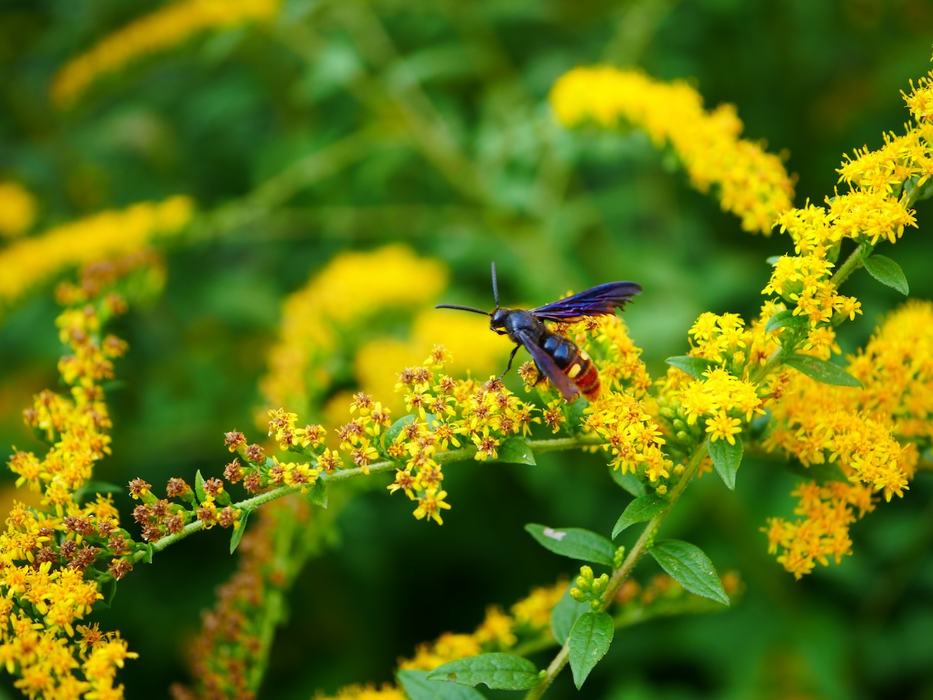
The method of ‘farmscaping’ is the practice of planting flowering plants that create habitat and food resources to attract beneficial insects. By planting field borders, or small areas in production rows with specific types of flowering plants, these beneficial insects can establish and build their populations, often overpowering the pest numbers to limit crop damage. Predatory beetles, lacewings, parasitic wasps, and tachinid flies are all examples of beneficial species that can help reduce crop pest populations.
Learn more about how to enhance the ecology of your farming system: