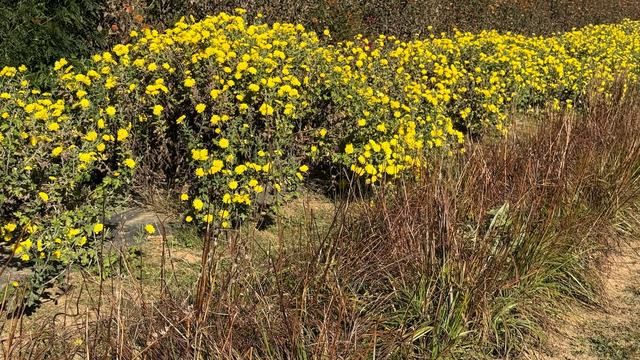
The climate of the Southern Appalachian mountains allows for a wide diversity of plant types that can grow and thrive in both natural and cultivated environments. This creates opportunities for farmers and gardeners to explore new crops that can be grown for food, medicine and fiber. While many native woodland plants - such as ginseng, goldenseal, ramps, and black cohosh - have been cultivated for generations, there is interest in expanding into commercial medicinal plants utilized in other corners of the world.

Over a dozen varieties of medicinal herbs are being grown on this small farm in Western North Carolina.
The temperate rainforest conditions found in North Carolina are similar to the climate and topography found in China where many medicinal plant species are grown. This creates an opportunity for NC farmers to experiment with cultivating medicinal plants utilized in Eastern medicine.
Led by NC State University's New & Emerging Crops Program, several medicinal plants used by herbalists, acupuncturists, and Traditional Chinese Medicine practitioners are being trialed in on-farm and research plots. Growers and researchers alike are experimenting with various production aspects including plant spacing, harvesting protocols and yield potential. The collaboration also relies upon guidance from industry specialists and medical practitioners to assess the quality, suitable varieties and best practices for preserving medicinal plant components. While this research is new and on-going, there is momentum in sourcing sustainably and locally-grown medicinal plants.
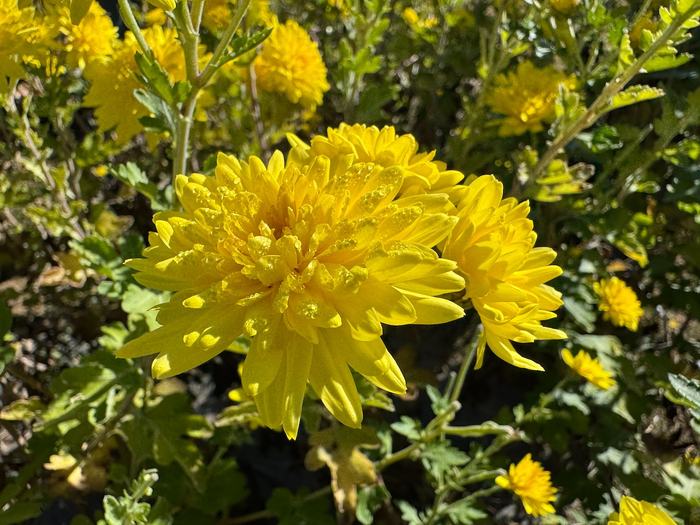
Ju Hua flowers in bloom, ready for harvesting.
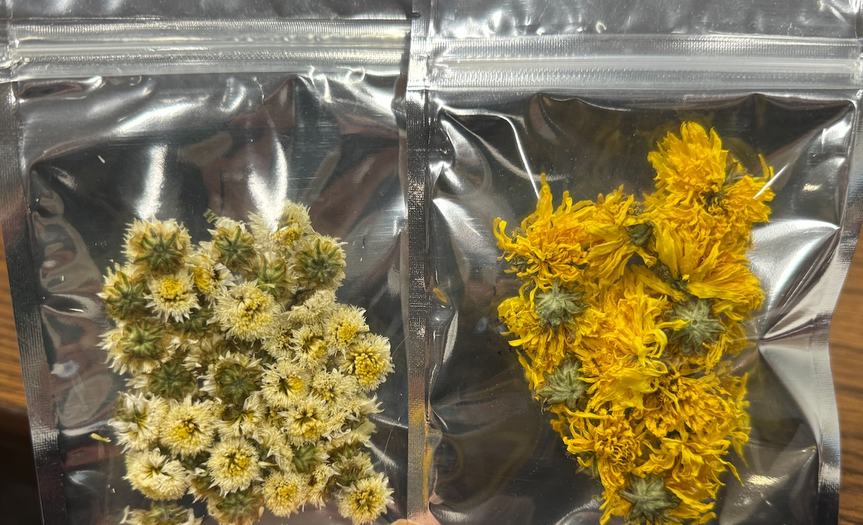
Two varieties of dried Chrysanthemum flowers grown by small farmers in WNC.
Some of the plants being trialed for Chinese Medicinal Herb markets include:
- Chrysanthemum morifolium, also known as Ju Hua, is a member of the Aster Family. The flowers are harvested in the fall and typically dried before being used in teas and other formulations.
- Salvia miltiorrhiza, or Red Sage, also known as Danshen, is a member of the Mint Family. Practitioners use the reddish roots for a number of medicinal preparations in Traditional Chinese Medicine.
- Bupleurum chinense is a member of the Apiaceae (Carrot/Parsley) Family. The roots are used in many types of herbal products.
- Atractylodes macrocephala is another member of the Aster Family. Referred to as Bai zhu, this plant is harvested for its root, which is dried before further processing.