When summer harvests are prolific, many produce growers begin to think about ways to extend the bounty of the season. One of the avenues to utilize excess farm produce, upgrade potential profitability, or diversify income streams can be through creating value-added food products. Farms, homestead gardens, even urban backyards, can provide agricultural crops that can be processed into higher-value goods like jellies, sauces, teas, spice blends, and other consumer products.
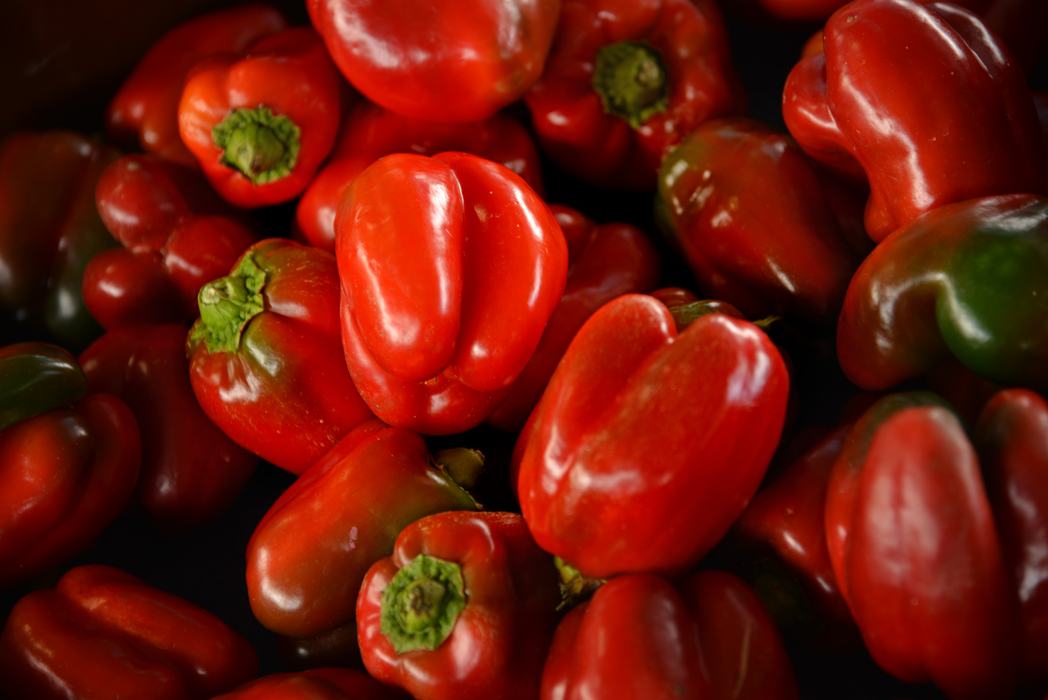
Value-added products start with high-quality, fresh produce either grown directly on your farm or sourced from other reputable farms.
If you are venturing into the world of value-added foods, there are several key considerations to ensure you legitimize your business and its products. Value added products require a different level of oversight to ensure that products are safe, align with food safety standards, and are properly processed and labeled. There are federal and state regulations, as well as localized county ordinances that dictate where you can produce certain products, and how to ensure they have maximum quality for the end consumer. The Food & Drug Protection Division of the North Carolina Department of Agriculture and Consumer Services (NCDA & CS), and local health departments are the authorities responsible for regulating value-added and ready-to-eat food products. The NCDA & CS conducts home kitchen & commercial kitchen inspections, and is a useful resource when navigating the food regulations your product may fall under.
Food products fall into two categories: low risk foods and high risk foods. Low risk foods include breads, popcorns, herbs, spices, and other blended and packaged products that do not require refrigeration. High-risk foods include juices, supplements, and low-acid foods.
Where you process and manufacture your value added products is also an important decision. North Carolina does not have a “cottage food law" like some of our neighboring states, meaning all food production spaces must be certified by the NCDA & CS. There are three different scenarios for using a certified kitchen space: getting your home kitchen certified, using a shared-use kitchen, and using a commercial kitchen.
No matter where they are produced, all food products will need to be properly labeled. General label requirements include the product name, identification of the company creating the product, net weight, business address, a complete list of ingredients, and if needed, an allergen statement.
Home processing is allowed for only certain products. The NCDA will assess your space to see if it meets the requirements of a certified home kitchen. If you have indoor pets, of any kind, your home kitchen cannot be certified. Home processors must store value-added products in a segregated area separate from those used for the household.
Beyond certified home kitchens, there are shared-use kitchen spaces and commercial kitchens. Shared-use facilities have properly designed sinks, freezers, coolers, and various food processing equipment. They also have designated cleaning & sanitizing schedules. By definition, these shared-use kitchens are used by numerous businesses and charge a usage fee. Blue Ridge Food Ventures, the Madison County Cooperative Extension Center, and WNC Foodworks are all examples of local shared-use kitchen spaces.
There are also commercial kitchens that are typically used by single business entities. In Buncombe County, the Southern Appalachian Highlands Conservancy Community Farm in Alexander offers a commercial kitchen space that small food businesses can rent for production space.
Regardless of what product you are pursuing, the NCDA Food & Drug Division has food compliance officers that can answer questions related to processing regulations and manufacturing processes. They are here to help demystify the complex regulations of certain food products. The NC State Food Business Program is another great resource to tap into as you venture into making value-added products. This resource is available to food entrepreneurs and offers food safety guidance for your product, assesses ingredients, establishes moisture parameters, and conducts other analyses. This program is home to the Acidified Foods Processing & Packaging School, also known as the ‘Pickle School,’ which provides a thorough understanding of food science to those making novel value-added products such as fermented foods, energy bars, freeze-dried products and more.
Additional information from NC Cooperative Extension and value-added foods: